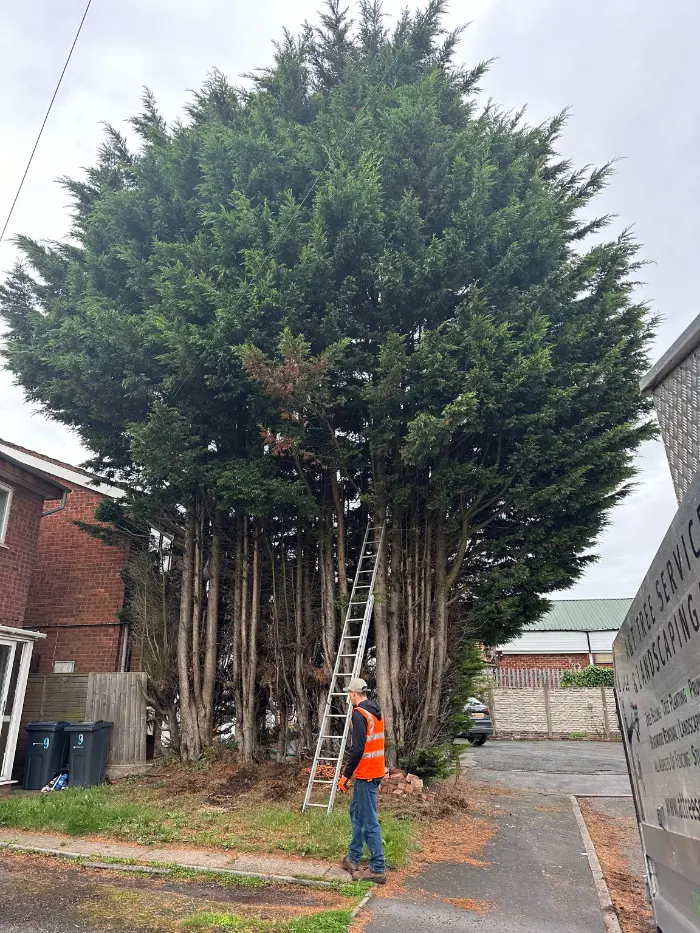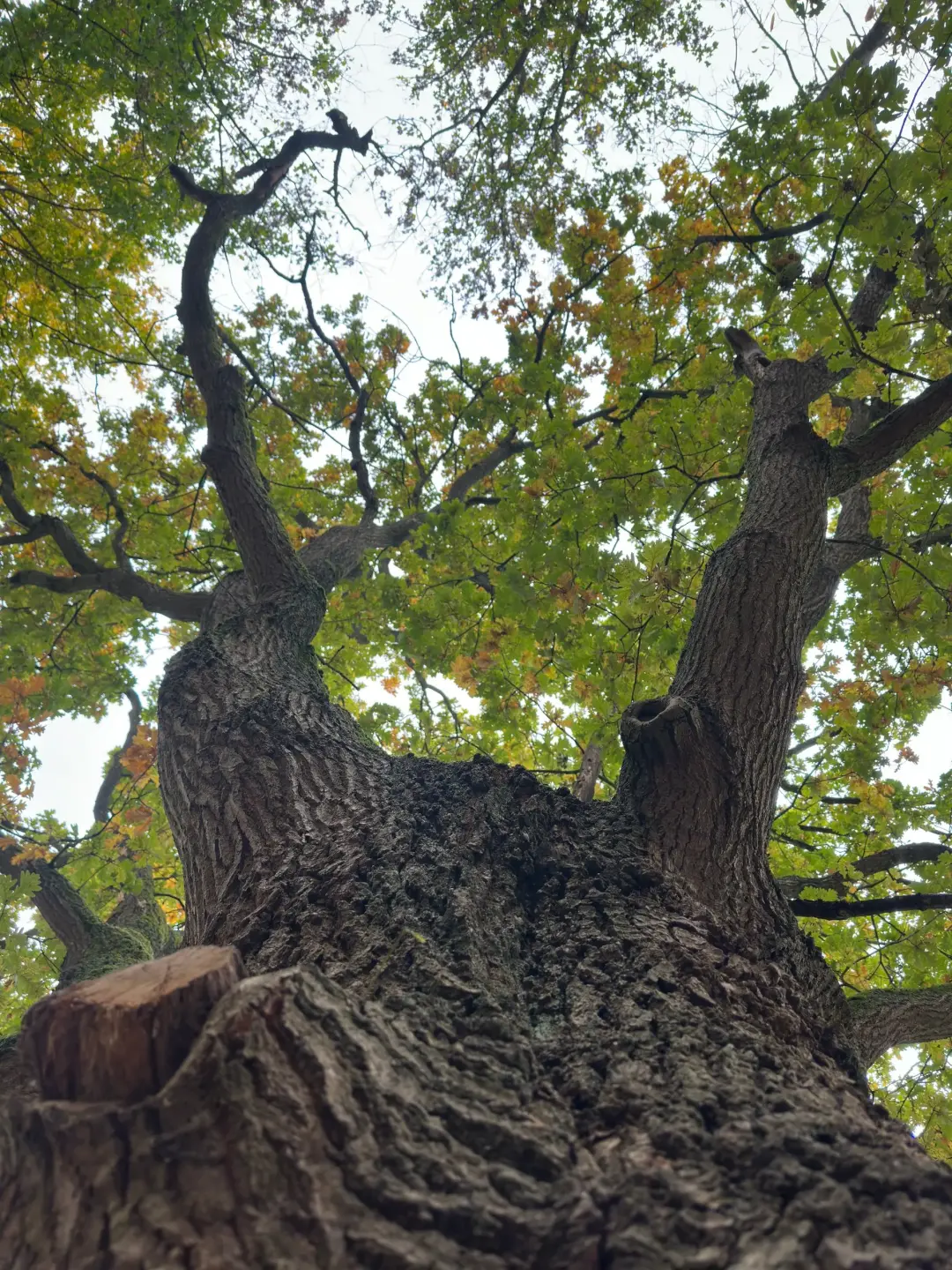
What Is a Tree’s Crown?
A tree’s crown is its above-ground framework of branches, smaller shoots and foliage, extending out from the trunk. Its shape varies considerably between species: some trees develop broad, spreading crowns, while others remain narrow, upright or naturally weeping. The word “canopy” usually describes the leafy covering, although it is often used interchangeably with “crown” in everyday discussions.
The crown performs much of the tree’s food production. Leaves capture sunlight and use photosynthesis to produce sugars that support growth and maintenance throughout the tree, including its roots. Removing living branches therefore changes more than its appearance. It also removes leaves, or the buds that would produce them, reducing part of the tree’s capacity to generate energy.
Branches form a connected structure rather than a collection of independent pieces. Their size, direction and attachment influence how the crown carries its own weight and responds to movement. A long branch extending over a driveway, for example, presents a different management question from several small branches growing closely together near the centre of the tree.
Understanding the crown also helps explain why pruning needs a clear purpose. A tree should not automatically be cut simply because it looks large or has not been pruned recently. The International Society of Arboriculture recommends identifying a reason for each pruning intervention, because individual cuts can influence the tree’s future growth.
Removing Selected Branches Within the Canopy
Crown thinning selectively removes smaller branches to reduce foliage density while largely preserving the tree’s existing height, spread and outline. The aim is to create a more evenly distributed canopy, with carefully chosen spaces between retained branches. From a distance, a well-thinned tree should still have the recognisable form it had before the work.
Branch selection matters more than simply removing a set quantity of material. A tree surgeon considers where growth is crowded, which branches compete for the same space and how the remaining foliage will be distributed. Removing branches indiscriminately can leave conspicuous holes or concentrate too much foliage at the ends of otherwise bare limbs.
Thinning may allow more filtered light through a dense crown, but the improvement depends on the tree’s position and the surrounding landscape. It cannot guarantee direct sunshine in a room or across a lawn. Where the main obstruction is the overall outline of the tree, creating openings within that outline may have only a modest effect.
Creating Clearance Beneath Your Tree
Crown lifting raises the lower boundary of the canopy by removing or shortening selected low branches. It is commonly considered where branches obstruct a footpath, make mowing awkward or interfere with access to a parking space. Its defining purpose is clearance beneath the tree, so the upper crown may require little or no alteration.
The required clearance should relate to how the space is actually used. A garden bench, pedestrian route and vehicle entrance have different needs, and a vague instruction to “raise the branches” leaves room for misunderstanding. Agreeing a finished clearance above the relevant surface gives the contractor a practical target and helps avoid unnecessary removal.
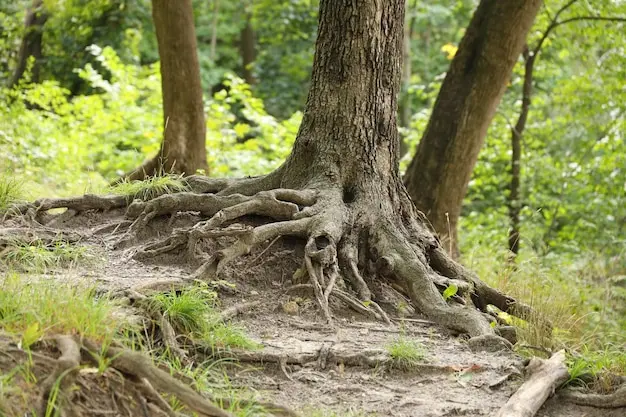
Sometimes shortening a drooping branch can resolve the obstruction without removing the entire limb. This can be particularly valuable where the branch joins the trunk at a substantial diameter. The decision should consider the branch’s position within the crown, the size of the resulting wound and whether a smaller intervention would provide adequate access.
Excessive lifting can leave an unbalanced appearance, with a long exposed trunk beneath a relatively small crown. Early, gradual management may provide better options than waiting until obstructing branches are very large. Local authority guidance also cautions against removing too much low growth because of the resulting imbalance between the trunk and crown.
Reducing the Size of the Canopy
Crown reduction shortens the outer branches to decrease the crown’s height, spread or both. It may be appropriate where growth extends too close to a building or where particular limbs require a reduction in length. The work should follow the tree’s branching structure, producing a smaller crown that retains a coherent, natural form.
Suitable reduction cuts return branches to appropriately sized side branches that can continue their growth. Cutting every branch to an arbitrary outline ignores the available growth points and can leave unsuitable stubs. The International Society of Arboriculture distinguishes this selective approach from topping, which removes branch ends without adequate consideration of the remaining structure.
The specification should make the intended dimensions understandable. For example, it can state approximately how much branch length will be removed from particular sides and describe the expected finished height and spread. A percentage alone may be ambiguous: reducing height by a quarter is very different from removing a quarter of the foliage throughout the crown.
Reduction also needs to be considered over the tree’s remaining life. The tree will continue growing, and the initial result will not remain fixed indefinitely. Before commissioning substantial work, discuss whether periodic maintenance is realistic and whether the proposed reduction can be achieved without leaving a crown that is poorly suited to the species.
Key Differences Between the Three Techniques
The simplest distinction is the part of the crown each technique changes. Thinning changes density within the existing outline; lifting changes the clearance underneath; reduction changes the outer dimensions. Keeping those three outcomes separate makes it easier to evaluate a quotation and understand why a contractor has recommended a particular treatment.
Consider a tree beside a garden path. If walkers must duck beneath one low branch, thinning the upper crown would not address the obstruction. Equally, lifting that branch would do little to resolve growth extending towards an upstairs window. Describing the location of the problem is therefore more useful than choosing a pruning term before the tree has been assessed.
More than one technique can occasionally form part of the same job, but their combined effect needs consideration. A light lift and a modest reduction both remove living material, and their total impact matters. Each element should have a distinct purpose rather than being added automatically as part of a general “tidy-up”.
The finished result should be judged against the agreed objective. Appropriate questions include whether the path now has sufficient clearance, whether specified branches have been brought back from a structure and whether the tree retains a balanced appearance. The volume of branches removed is a poor measure of quality: a carefully targeted job may produce relatively little waste.
Choosing the Right Approach for Your Tree Species
Species identification is an important starting point because trees differ in their natural architecture and response to cutting. An upright tree, a spreading specimen and a weeping ornamental cannot reasonably be expected to produce the same shape after pruning. The proposed work should respect those differences and avoid imposing an outline that conflicts with the tree’s normal development.
Conifers need particular consideration when a substantial size change is proposed. Most do not produce fresh growth from old, bare wood, so cutting beyond the green foliage can leave lasting gaps. Yew is a notable exception, but its response should not be assumed for other conifers.
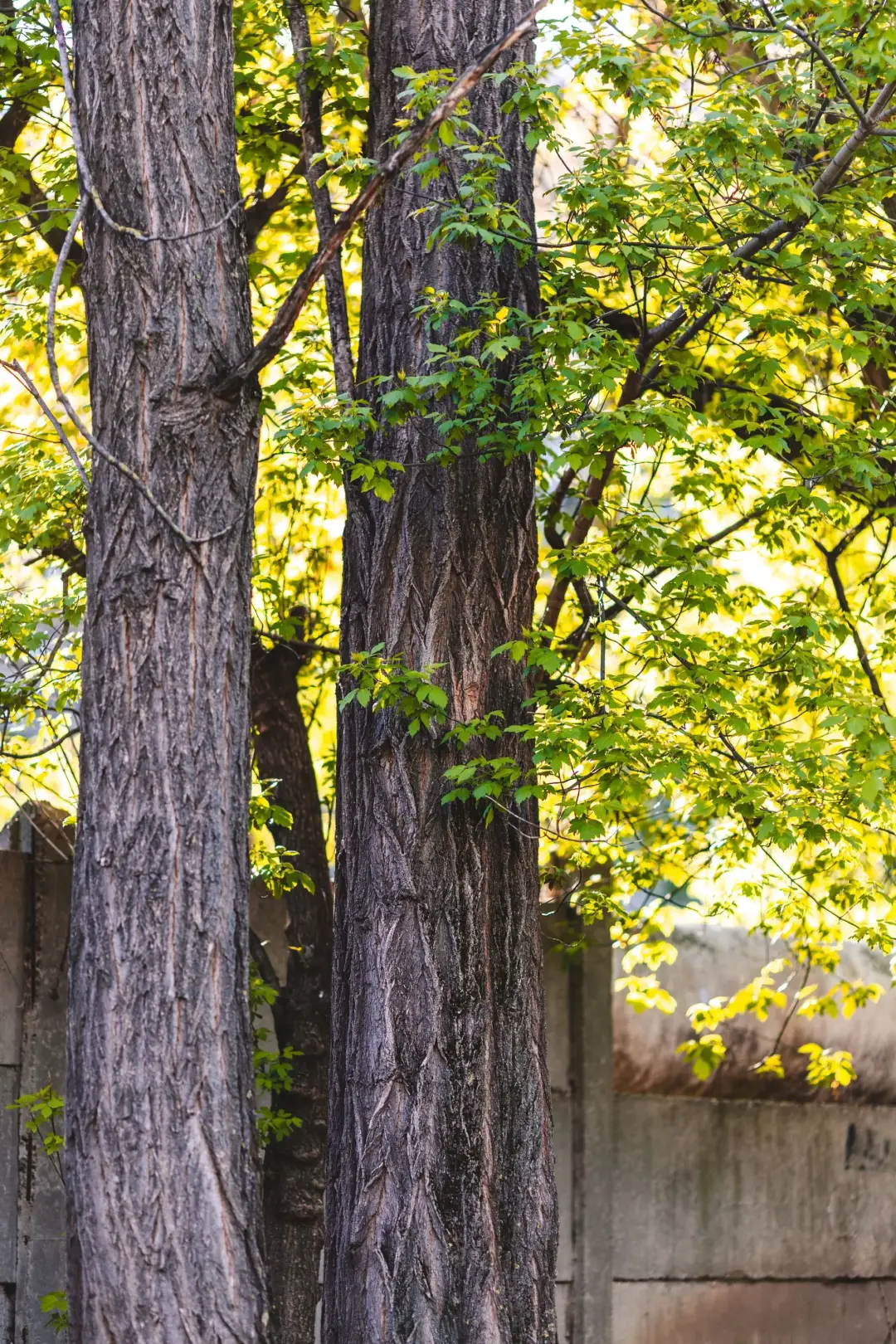
Timing also varies between species. Some trees are prone to pronounced sap bleeding when cut at unsuitable times, while others have disease-related pruning considerations. Birch, maple and walnut illustrate why a single rule for all garden trees is inadequate; even different maples can have different recommended pruning windows.
The condition of the individual tree then refines the species-level advice. A vigorous young specimen and an ageing tree with sparse foliage may need very different treatment even when they are the same species. An assessment should consider previous pruning, recent growth and existing damage before deciding how much change the tree can reasonably accommodate.
Balancing Light, Privacy and Tree Shape
Start by identifying where additional light is wanted and at what time of day. A shaded breakfast area presents a different objective from a dark upstairs bedroom or a vegetable bed lacking afternoon sun. Photographs taken from the relevant position can help explain the issue, especially if the assessment happens when sunlight conditions differ from those that prompted the enquiry.
Privacy is equally specific to viewing angles. A section of foliage may screen a neighbour’s window while contributing relatively little shade to the seating area below. Showing the contractor the view from inside the house, as well as from the garden, can reveal which branches are valuable and which areas offer more flexibility.
The desired visual result should also be discussed explicitly. Some homeowners want to retain a broad, informal canopy; others value the outline of a specimen tree as a focal point. Rather than requesting an evenly clipped shape by default, describe the features that matter, such as a sweeping lower branch, a sheltered bench or an uninterrupted view beyond the garden.
Where priorities compete, it helps to rank them before work begins. Improving access may be essential, while a small increase in light is simply desirable. That distinction supports proportionate decisions and makes it easier to accept a modest improvement that preserves useful screening. It also prevents the contractor from having to guess which compromise the homeowner would prefer.
Why Excessive Pruning and Tree Topping Can Cause Harm
Excessive pruning removes a large share of the tree’s living crown in a short period. The tree then has less foliage available to support its existing tissues and produce new growth. This is especially concerning when the tree is already affected by drought, poor rooting conditions or declining vigour, because pruning adds another demand to an already limited system.
Large wounds create a separate concern. Trees do not repair damaged wood in the same way that human skin heals; they grow around wounds and establish internal boundaries that may limit the spread of decay. A large cut can remain exposed for a considerable period, and the tree’s ability to contain deterioration varies with its species and condition.
Topping can also trigger dense clusters of new shoots, making the tree appear to have recovered quickly. However, a leafy response does not demonstrate that the underlying structure is sound. The ISA identifies stress, decay and increased risk among the possible consequences of topping, alongside the loss of natural form.
These consequences can create an ongoing maintenance problem for the owner. Rapid regrowth may soon require further attention, while earlier wounds remain part of the tree’s structure. A proposal for drastic cutting should therefore include a clear explanation of the alternatives, the likely response and the future management involved, rather than promising a permanent solution based only on immediate size reduction.
How a Tree Surgeon Assesses Your Pruning Needs
A useful assessment begins with your observations. Explain what has changed, when you first noticed the issue and what you want to achieve. Details such as a branch touching a roof during windy weather or access becoming difficult for a delivery vehicle give the tree surgeon a concrete problem to investigate rather than a general request to make the tree smaller.
The tree surgeon then examines the tree’s condition and structure. This includes looking at branch attachments, visible wounds, dead growth and the distribution of foliage. Some concerns can be assessed from the ground, while others may require a closer inspection or advice from a consulting arborist before an appropriate work specification can be prepared.
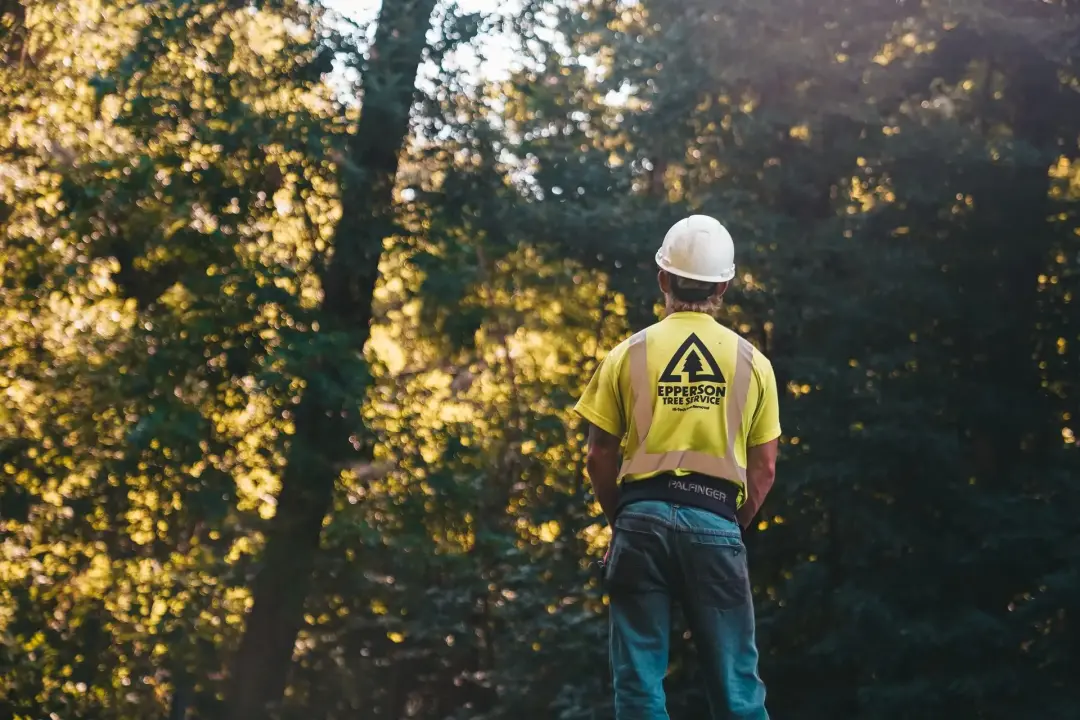
The surrounding site affects both the recommendation and the way the job can be carried out. Buildings, delicate planting, limited access and overhead services may influence equipment choices and branch-handling arrangements. In the UK, checks should also address applicable tree protection and wildlife constraints before work starts.
The assessment should lead to a clear written proposal identifying the tree, the intended work and the expected result. It should also explain practical matters such as access, removal of arisings and any recommended review. If the original objective cannot be achieved without an unacceptable impact on the tree, that limitation should be explained before a price is accepted.
Caring for Your Tree After Crown Work
Aftercare starts with understanding what was done and what response is expected. Keep the work specification and take photographs of the finished crown from a few repeatable viewpoints. These provide a useful reference if you later notice changes, and they make future discussions more precise than relying on memory of the tree’s earlier appearance.
Watering should reflect soil conditions and the tree’s needs rather than follow an automatic schedule. Recently planted trees may need closer attention during dry weather than established specimens. Avoid repeatedly soaking already wet ground, and seek individual advice if the tree was showing signs of stress before pruning or its rooting area has recently been disturbed.
Protecting the soil around the tree is also worthwhile. Avoid using the area as a storage space for heavy materials or allowing repeated vehicle movements across it. Where appropriate, an organic mulch can help conserve moisture, but it should be kept away from direct contact with the trunk. Fertiliser should address an identified need rather than be applied simply because pruning has taken place.
Monitor the tree through the next growing season for unexpected dieback, unusually small leaves or other marked changes. Routine painting or wrapping of pruning wounds is generally unnecessary; the RHS advises against binding bleeding cuts and recommends species-appropriate pruning to minimise problems. If a wound or the crown’s response causes concern, ask the contractor to review it before attempting further treatment.
If you're looking for a reliable tree surgeon in Birmingham, Wolverhampton, or Dudley, A&T Tree Services Ltd is here to help. From expert pruning and tree health checks to safe removals and emergency call-outs, our experienced team is ready to take care of all your tree care needs.