Sustainable Sourcing of Wood
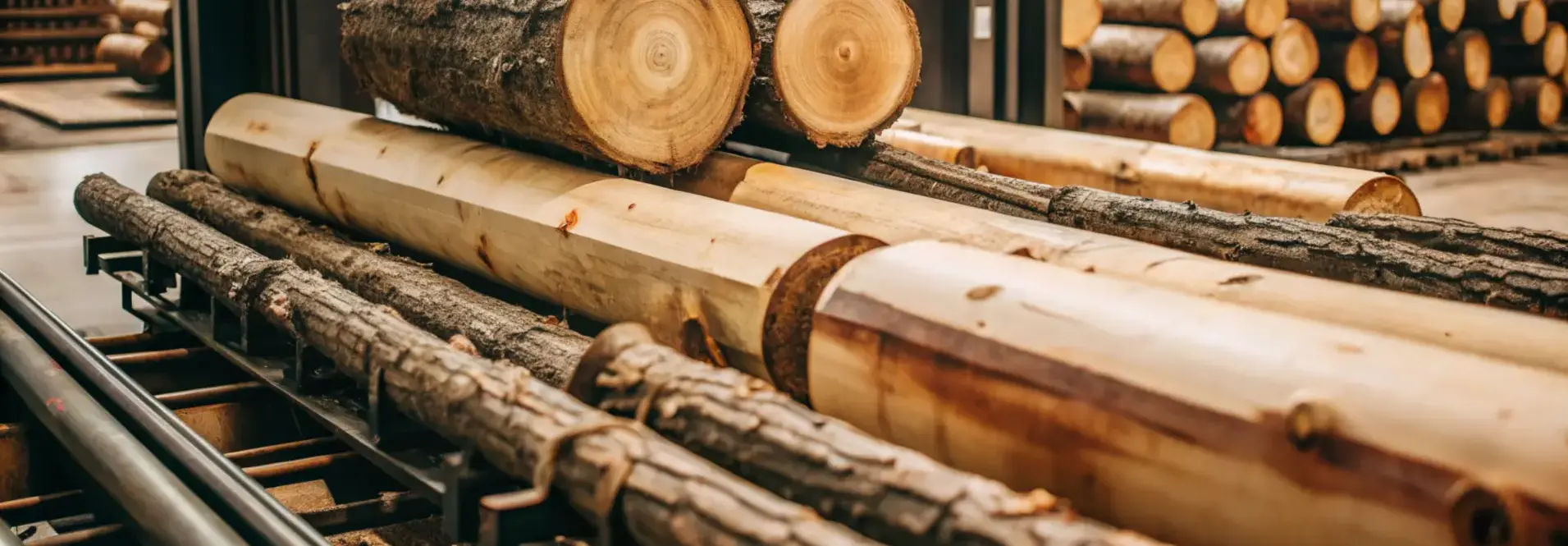
There are several practices involved in achieving more sustainable sourcing of wood for modern building and carpentry, and these help to make sure we have plenty of biodiversity and long-term healthy forests. One of the first steps is certification; wood products must meet rigorous standards in terms of their management in order to be considered certified. They typically undergo numerous practices such as reforestation, selective logging, and the conservation of biodiversity. Next, their traceability is considered, and this means that professionals should be able to easily trace the supply chain and origins, as this allows professionals to identify and reduce the amount of illegal logging and environmental damage.
A&T Tree Services Ltd are trusted tree surgeons working across Birmingham and the surrounding areas.
Areas we cover include:
Birmingham - Coventry - Wolverhampton - Solihull - Dudley - West Bromwich
For a full list of areas we cover visit our main services page:
All forests should be looked after by foresters and rangers in a way that allows for long-term health and plenty of timber availability, and this usually means that any harvested trees must be reforested to preserve and encourage more tree growth. The rights of any local communities and workers must also be respected when sustainably sourcing wood from forests, including safe working conditions, fair treatment of all those involved in the timber supply chain, as well as fair wages.
Lastly, legality is also wildly important in the sourcing process. All harvested timber must comply with national and international laws, as this, again, allows professional foresters to track environmental damage more closely, and avoid instances of illegal logging. In following these wood sourcing practices, you and your workers can contribute largely to a much more sustainable future, enabling forests to continue thriving and providing high-quality resources for multiple generations.
Biodegradability and Reduced Waste
Wood, as a natural material, is typically recognised for its biodegradability. Biodegradability is often categorised by a substance's ability to be completely broken down by its surrounding microorganisms, and this can be anything from fungi, bacteria, or any other decomposers. Woof is primarily composed of hemicellulose, lignin, and cellulose, making it perfect for biodegradation. In environments with plenty more microbial activity, disposed wood can then undergo a number of biological processes. Such processes will help convert the wood into much more simplistic organic substances, helping it to return to the natural ecosystem.
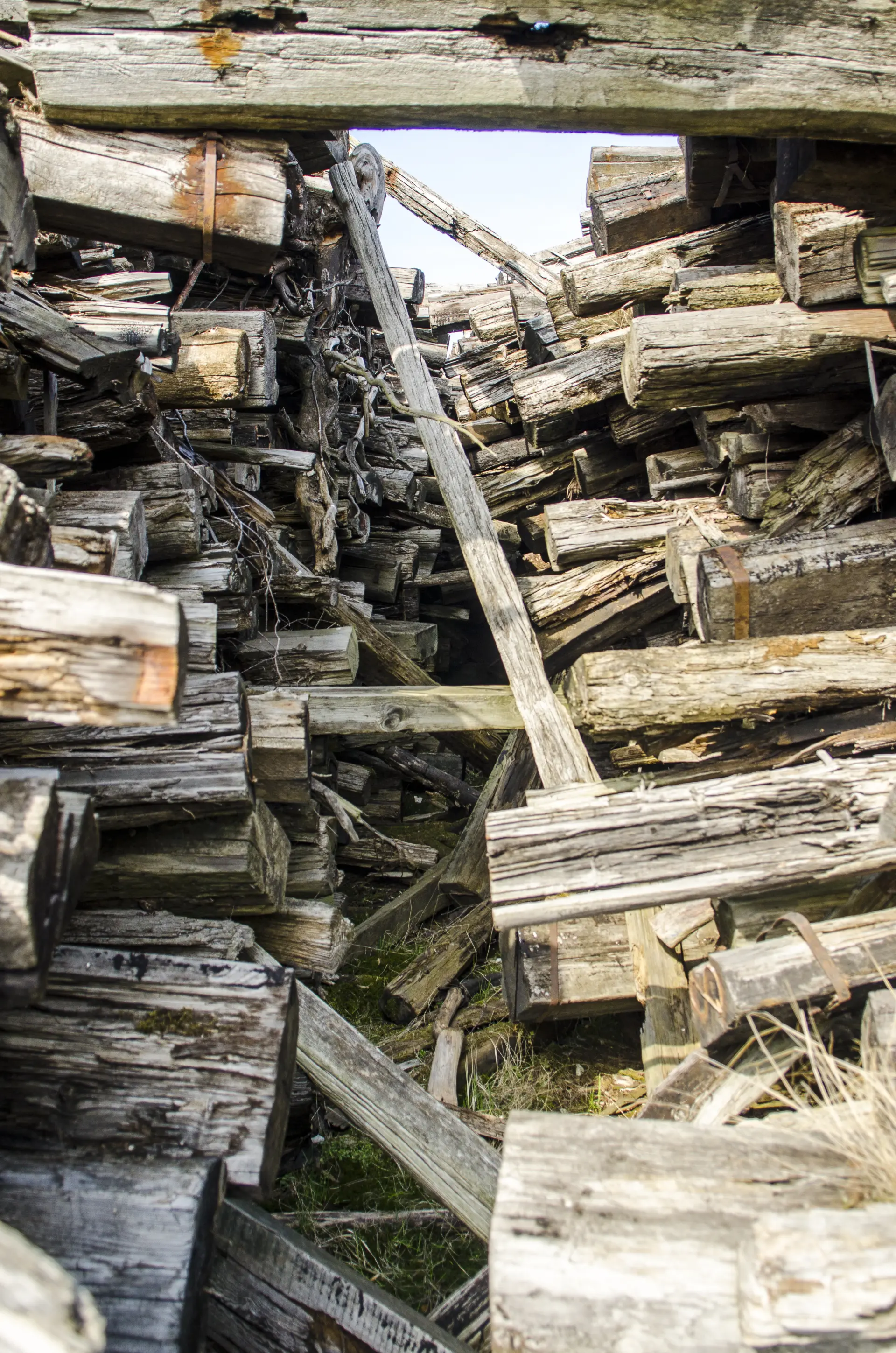
When it comes to the sustainability of your timber, reducing waste and biodegradability is something that you must consider. Timber can be reused in numerous applications and for many jobs. Ridding your company's reliance on new timber will help contribute to a circular economy and minimise any negative associations with harvesting and processing.
During its growth, timber naturally stores carbon, and this can be preserved if used in buildings. That way, you can support plenty of carbon storage, all while reducing your carbon footprint during construction or other kinds of timber-based projects. Steps are also always put in place to make sure the carbon stored doesn't affect or contribute to greenhouse emissions.
Engineered wood products tend to need a lot less energy to produce, as opposed to materials like concrete or steel, and this makes them much more friendly for the environment and everyday use.
Lower Carbon Footprint Compared to Alternatives
Sustainable timber that has been correctly and responsibly sourced from well-managed forests will often have a much lower carbon footprint percentage compared to other types of building materials like steel and concrete. Timber is sourced from trees, and trees absorb lots of CO2 through natural processes like photosynthesis. When timber is harvested by foresters and used in construction, it traps and stores carbon inside it, making it a much more sustainable, cleaner choice of materials.
Concrete, on the other hand, is produced at high temperatures and doesn't store carbon dioxide, but instead releases it into the atmosphere. This release causes a chemical reaction we now know to be called calcination. Such processes amount to at least 8 percent of all global CO2 emissions.
Steel is another common material many like to use in construction work, due to its immense strength and durability, yet its production involves refining and smelting, which is incredibly energy-intensive. Primary steel carries some of the highest embodied carbon because of the effects of these processes. The carbon sequestration process of timber is much more natural and occurs over time throughout its life cycle, meaning it is a much more sustainable option for building.
Encouraging Wildlife and Natural Habitats
When creating and maintaining natural habitats to support the local wildlife, you must consider sustainable harvesting of timber and planting. By making sure that all harvested trees are replanted, you can preserve the biodiversity and overall natural structure of the woodlands. This practice is perfect for encouraging the regeneration of the forest and also positively contributing to the health of your ecosystem.

The UKFS (United Kingdom Forestry Standard) offers foresters a strict framework to follow concerning forest management and sustainable forestry. The practices they encourage are often centred around biodiversity and supporting wildlife. When these standards are adhered to, forest rangers and managers can create woodland areas that offer habitats for numerous animals and various species. This also includes pollinators, which are essential for our food systems health and the overall well-being of our planet.
The UK Government has a commitment to supporting and creating new woodlands, and planting trees is representative of the importance of sustainable timber. By planting and replanting trees, we can restore forests and enhance the landscape, so that many more species can survive and have places to live, breed, and hunt.
Energy Efficiency in Production
The production of timber products and structures tends to require much less energy than other materials that are also used during construction work, including fences. A lot of the energy needed to produce wood products comes from renewable sources, for example, the by-products of the manufacturing process, such as tree bark. The energy produced during this time is often more than the energy that is consumed during its production, and this renewable energy can be used and harnessed to replace fossil fuels. Timber is a much more environmentally friendly choice when it comes to energy production.
As our awareness of environmental issues and our climate increases, there are always new opportunities for the forest and construction industry to develop greener solutions that meet consumers' wants and needs. The global timber sector currently faces a number of challenges as it faces the growing demand for quality timber products, such as garden fences, all while trying to minimise the adverse impact on human health and the environment. Plenty of the sources of this impact occur throughout the wood supply chain, and one objective is to reduce the impact of timber products. If foresters continue to identify the sources and mechanisms of timber products, assess the energy consumption and greenhouse gas emissions in our wood products and the manufacturing process, we can continue to minimise any negative impacts.
At A&T Tree Services Ltd, our certified arborists can provide removal services for hazardous, diseased or overgrown trees. We prioritise safety and eco-friendliness, and we always leave our sites clean, compliant, and ready for replanting new trees.