Discover how tree surgeons keep trees healthy with pruning, disease treatment, and safety checks. Learn the key steps to protect your property, reduce risk, and support tree health for the long term.
A&T Tree Services Ltd are trusted tree surgeons working across Birmingham and the surrounding areas.
Areas we cover include:
Birmingham - Coventry - Wolverhampton - Solihull - Dudley - West Bromwich
For a full list of areas we cover visit our main services page:
Trees are a vital part of any landscape. They improve air quality, offer shade, and add beauty to gardens, streets, and public space. To stay strong, safe, and well maintained, trees need expert care. That is where tree surgeons come in. A qualified tree surgeon understands how trees grow, how diseases and pests affect them, and which tree care services will help each tree thrive in different conditions.
Why Tree Health Matters
A healthy tree is not only attractive but also safe. Trees that are not properly maintained can become a hazard. Dead or weak branches may fall, and unstable trees might topple during storms. These problems can cause damage to property, nearby buildings, and vehicles, while also putting people at risk. Keeping trees in good condition helps prevent accidents and avoids costly repairs.
Healthy trees are also more resistant to disease, decay, and stress, so they live longer and continue to benefit the environment. Strong trees improve air quality, create shade, support wildlife, and add beauty to the landscape. In many cases, regular tree care also helps trees keep a balanced shape and structure, which reduces the chance of storm damage and helps them remain safe over time.
Tree surgeons help reduce these risks by spotting early signs of damage or disease and carrying out the right work at the right time. Their focus is on maintaining both the health and safety of your trees, while helping them remain an asset to your garden or wider site.
What a Tree Surgeon Does
A tree surgeon, sometimes called an arborist, carries out a range of professional tree services designed to keep trees healthy and safe. Tree surgery includes pruning, crown reduction, crown thinning, crown lifting, disease checks, pest management, stump grinding, and tree removal when required.
Professional tree surgeons use their training, experience, and specialist equipment to assess each tree’s size, height, structure, and surroundings before making any cuts.
This professional tree care is important because every tree is different. The right approach for a young tree in a small garden may not suit a mature tree near roads, buildings, or property.
Professional tree surgeons understand how to work safely in tight space, how to protect roots and soil, and how to ensure the work supports healthy growth rather than causing further stress.
Regular Pruning and Trimming
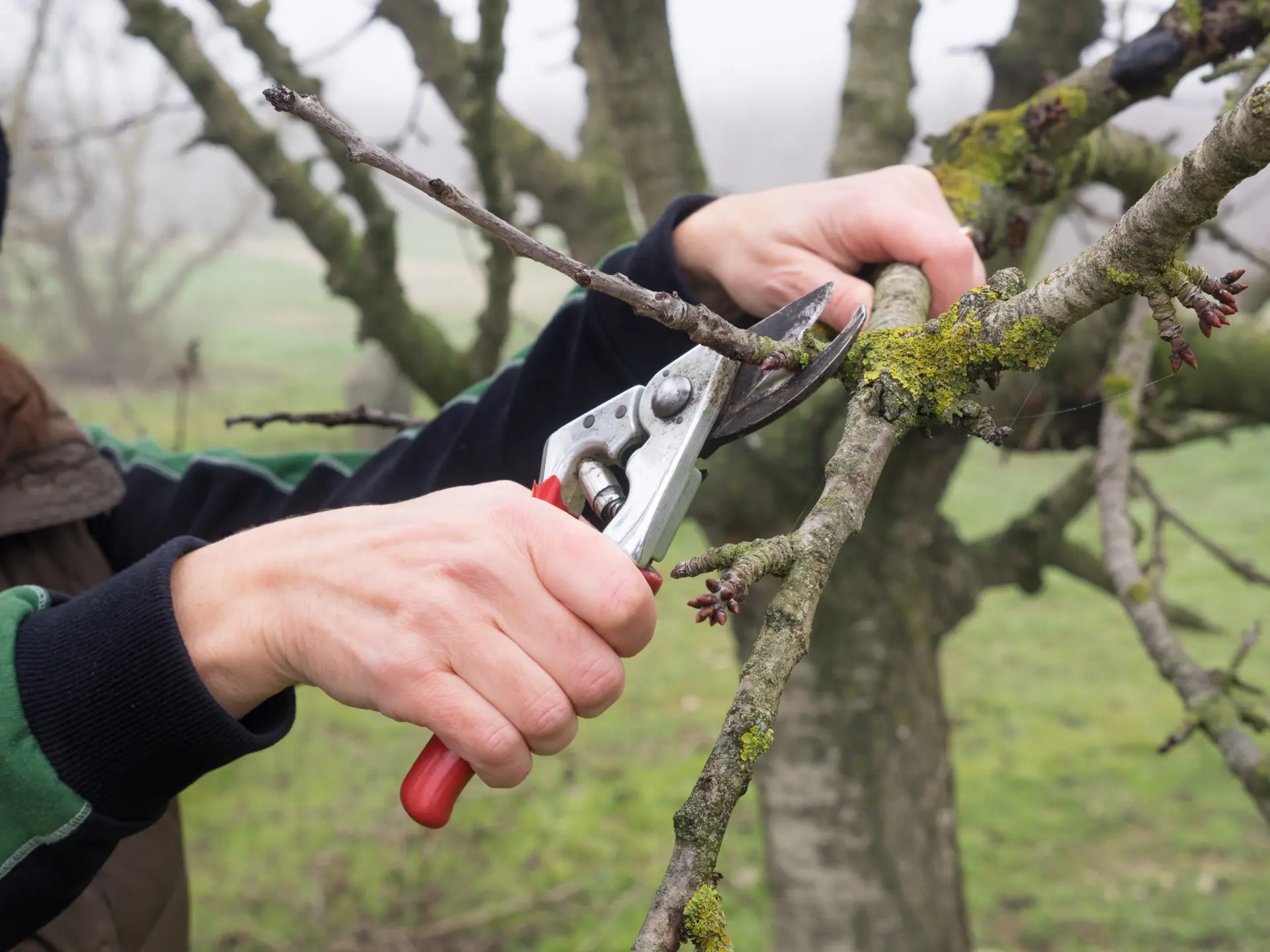
Pruning is one of the most important parts of tree care. It involves cutting back overgrown, weak, or unwanted branches to help the tree grow in a healthy and balanced shape. Tree surgeons use pruning to improve structure, reduce weight in the crown, and prevent branches from rubbing against each other or nearby property.
Removing dead, damaged, or diseased branches helps stop the spread of disease and pests. It also allows more light and air circulation through the canopy, which can reduce fungal infections and improve the tree’s overall health. Better air circulation is especially important in dense crowns where moisture can build up and increase the risk of disease.
For young trees, pruning and training are essential. Early care helps create a strong structure and encourages healthy growth from the start. For mature trees, pruning helps manage overall size, maintain appearance, and reduce the risk of branches failing during storms. Lower branches may also need careful removal to improve access, light, and safety in gardens and public spaces.
Responding to Storm Damage
Storms can cause sudden and serious damage to trees. High winds, heavy rain, and snow can break branches, split trunks, and weaken roots. After bad weather, trees may look safe from a distance even though they have become unstable. This is why professional tree surgeons often carry out post-storm inspections.
Storm damage can leave hanging branches, damaged crowns, and split limbs that need urgent attention. In these cases, safe work is essential. Tree surgeons use the right equipment and techniques to remove dangerous branches, reduce weight where needed, and make the site safe. Fast action can prevent further damage to nearby property and reduce risk to people.
In some cases, a tree can recover with careful pruning and support. In others, tree removal may be the only safe choice. A professional tree surgeon will always aim to keep the tree where possible, but safety comes first.
Crown Reduction, Crown Thinning, and Crown Lifting
Professional tree surgeons often use more specific pruning techniques depending on the tree’s needs. Crown reduction is used to reduce the overall size or height of a tree while keeping its natural shape. This can be helpful where a tree has outgrown its space or is starting to affect nearby buildings, roads, or overhead lines.
Crown thinning involves removing selected branches throughout the crown. This reduces density without changing the tree’s basic shape too much. Crown thinning can improve light levels, increase air circulation, and reduce wind resistance during storms. It can also help reduce stress on heavy limbs.
Crown lifting means removing lower branches to raise the height of the crown. This is often carried out where branches are blocking footpaths, roads, driveways, or views.
Crown lifting can create more usable space beneath the tree while also improving safety and appearance. When these techniques are carried out properly, they help trees healthy growth continue without causing unnecessary damage.
Spotting and Treating Tree Diseases
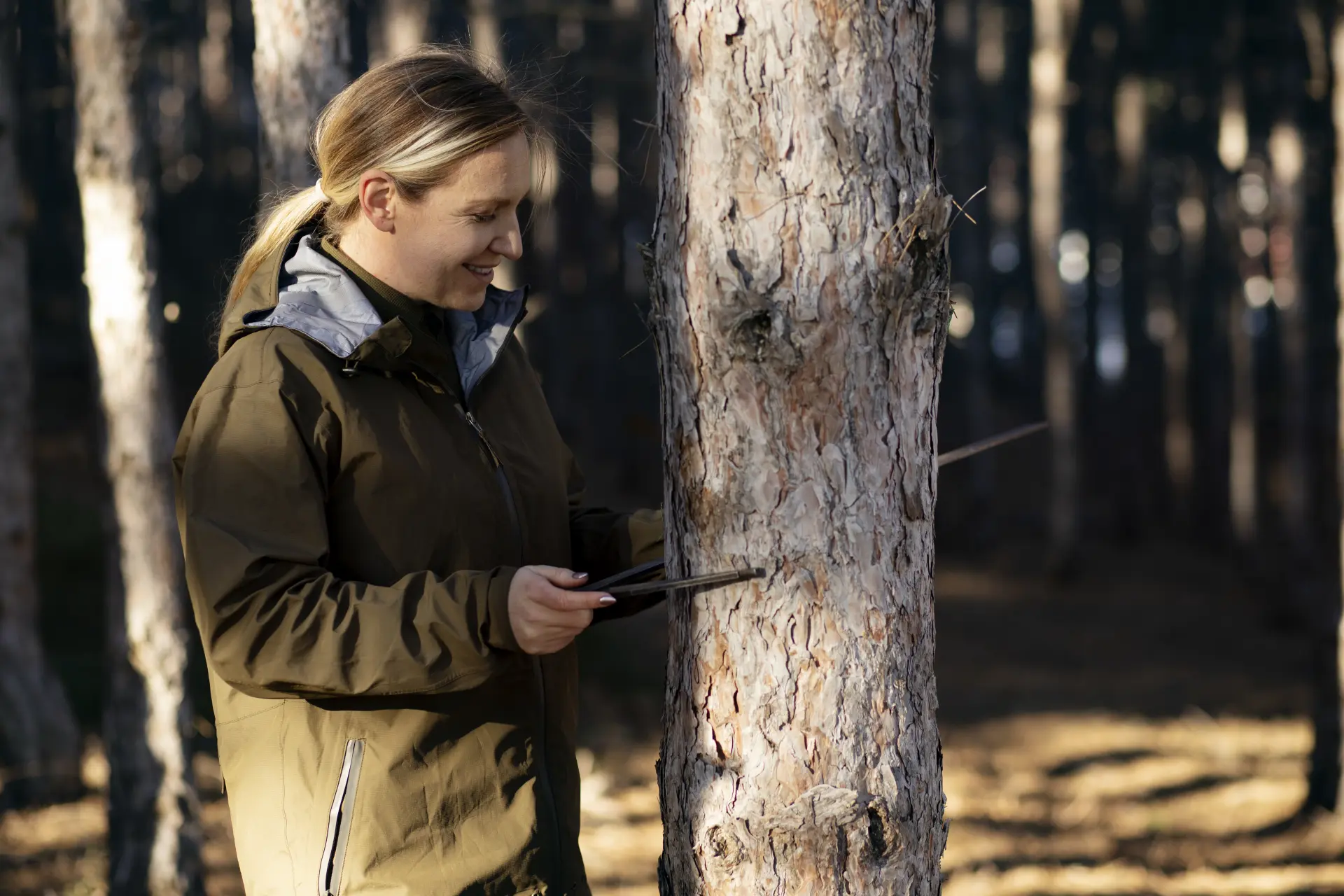
Trees can suffer from many types of disease, including fungal infections, bacterial problems, root rot, and decay. A tree surgeon is trained to recognise early signs of trouble, such as discoloured leaves, cracked bark, dead wood, unusual growth, or a change in the tree’s appearance. In some cases, fungi around the base of the trunk may point to deeper problems in the roots or lower stem.
Early treatment is often the key to saving a tree. If left untreated, disease can spread through the tree and, in some cases, to nearby trees. Diseased branches may become weak and unsafe, while severe decay can affect the whole structure. Tree surgeons assess the cause of the problem and decide on the safest and most effective solution.
Treatment may include removing affected branches, pruning out diseased wood, improving soil conditions, or advising on watering and mulching. In some cases, the best option may be to remove a badly diseased tree to protect nearby trees and property. Knowing when to act is an essential part of good tree surgery.
Managing Pests and Fungal Infections
Disease is not the only threat to tree health. Trees can also suffer from pests that feed on leaves, bark, wood, or roots. These problems can weaken the tree, affect growth, and make it more open to disease. Professional tree surgeons and arborists know how to spot signs of infestation, such as holes in bark, leaf damage, thinning crowns, or unusual dieback.
Fungal infections are another serious issue. Fungi can attack the bark, roots, or internal wood and may lead to hidden decay. In many cases, the outside of the tree may still look sound while the inside is weakening. Regular inspections are important because these hidden problems can increase the risk of branch failure or tree collapse.
By finding issues early, tree surgeons can recommend the right care plan. This may include pruning, removing infected material, improving growing conditions, or, where needed, safe removal to stop the spread.
The Importance of Roots and Soil
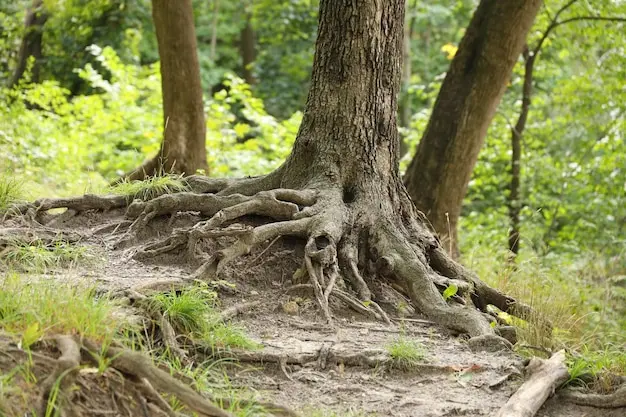
The root system is often overlooked, yet it is essential to a tree’s health, stability, and vitality. Roots absorb water and nutrients, anchor the tree in the soil, and support long term growth. If the soil becomes compacted, waterlogged, or poor in nutrients, the tree may start to struggle even if the crown still looks healthy.
Tree surgeons pay close attention to the ground around a tree. Changes in soil levels, building work, paving, or repeated foot traffic can all damage roots. When roots are under stress, trees may show signs such as thinning leaves, dead branches, or reduced growth. In serious cases, damage to roots can affect the tree’s stability and increase risk during storms.
Good tree care includes protecting the area around the base of the tree, improving soil where needed, and avoiding unnecessary cutting near roots. This helps ensure trees have the support they need to stay healthy.
Tree Health Checks and Risk Assessments
Regular inspections are important for both tree health and health and safety. A tree surgeon can carry out a full health check to look for signs of disease, pests, decay, structural weakness, and storm damage. These checks are especially useful for older trees or those growing close to houses, roads, fences, and other property.
A proper inspection looks at the crown, trunk, bark, roots, soil, and the tree’s overall condition. The tree surgeon will assess whether any branches are cracked, whether the trunk has cavities, and whether the tree is leaning or under stress. Problems like diseased branches or hidden decay may not be obvious to the untrained eye, but they can create a serious risk if ignored.
Regular maintenance and inspection help find issues before they become serious. This gives people peace of mind and helps ensure the safety of your trees throughout the year.
Safe Tree Removal When Needed
Sometimes, despite the best care, a tree cannot be saved. If a tree is dead, badly diseased, unstable, or growing in a dangerous location, tree removal may be necessary. This is often the last option, but it can be essential to protect people, nearby trees, and surrounding property.
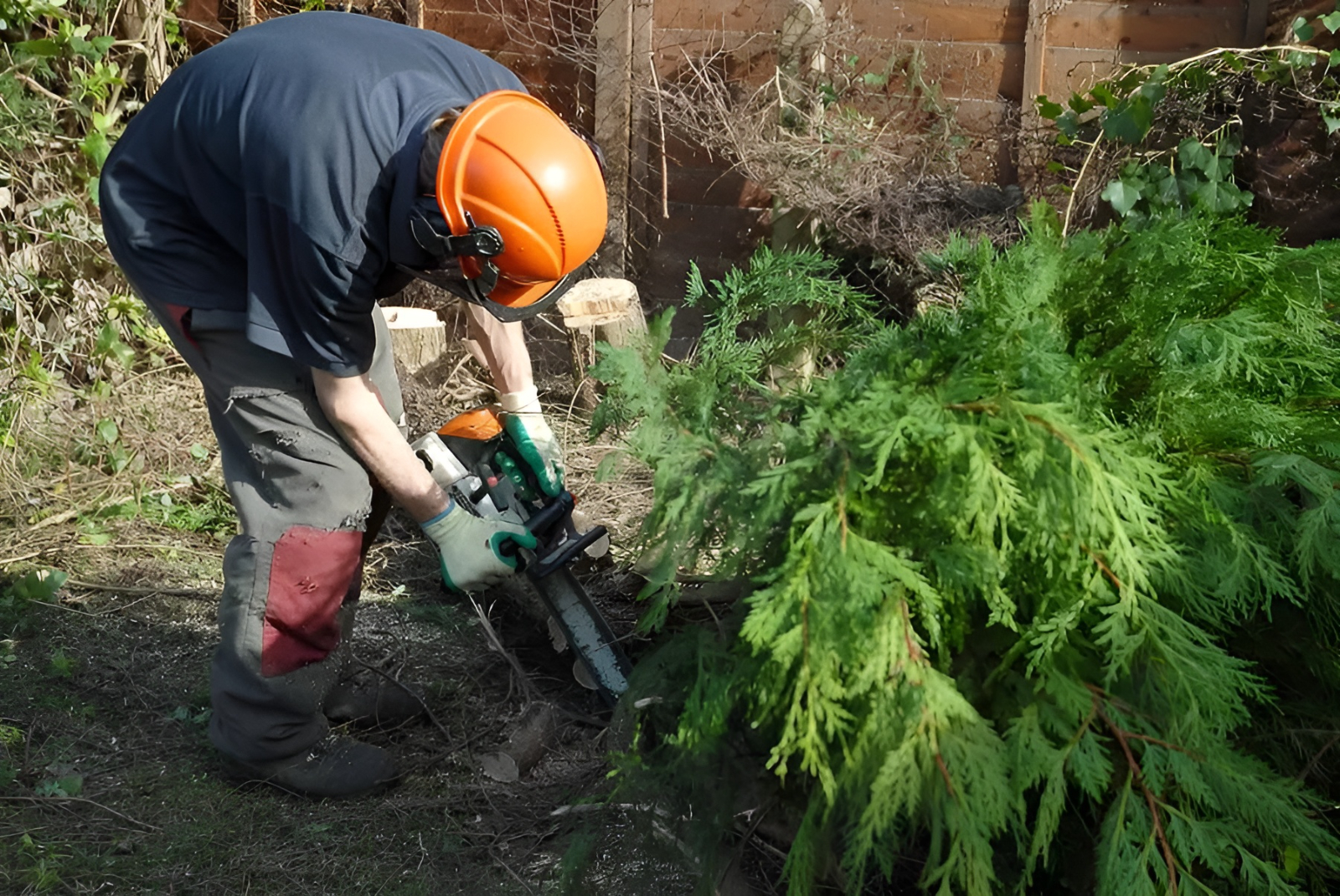
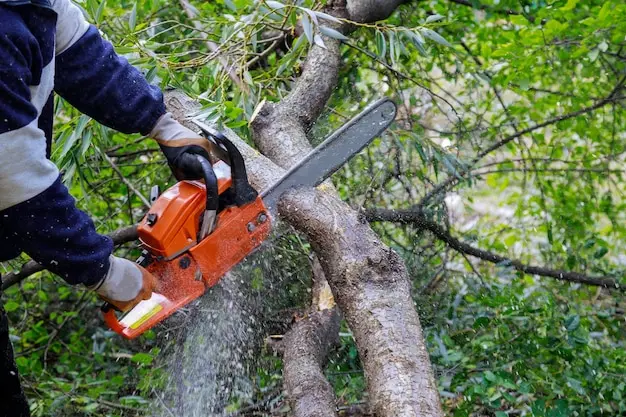
Tree removal is not a simple job. It requires planning, experience, and specialist equipment. Tree surgeons often remove trees in sections where there is limited space, especially in gardens or close to buildings. This careful approach helps prevent damage and ensures the work is carried out in a controlled and safe way.
After felling, stump grinding may also be recommended. Removing the stump improves the appearance of the site, frees up space, and prevents trip hazards or regrowth. In some cases, stump removal can also help reduce the chance of fungal infections spreading through old wood left in the ground.
Why Regular Maintenance Matters
Regular maintenance is one of the best ways to help trees stay healthy. Rather than waiting until there are obvious signs of disease or damage, it is better to have a tree surgeon inspect trees at suitable times throughout the year. Small issues are often easier and less costly to deal with before they grow into larger problems.
Ongoing care can include pruning, thinning, checking for pests, assessing root health, and making sure the tree still suits its space. Well maintained trees are more likely to thrive, keep a good shape, and provide long term beauty and value to the landscape. Regular maintenance also reduces the chance of emergency work later.
For property owners, this means safer gardens, fewer surprises after storms, and a better looking outdoor space. For the tree, it means better health, less stress, and stronger growth.
Choosing Professional Tree Surgeons
Choosing a qualified tree surgeon is important if you want the work carried out properly. Professional tree surgeons have the right training, knowledge, and experience to assess a tree’s condition and recommend the right services. They understand safe cutting techniques, how to protect the tree’s structure, and when removal is truly needed.
A good team will also think about the wider environment, the safety of your trees, and the effect of the work on nearby property and people. Whether the job involves pruning lower branches, carrying out crown reduction, treating disease, or complete felling, professional care helps ensure the best result.
If you are looking for help with tree surgery, it is worth taking time to find a qualified tree care specialist who can explain the work clearly and focus on long term tree health rather than quick fixes.
Tree Surgeons and Healthy Trees
Tree surgeons play an essential role in keeping trees healthy, safe, and attractive. Through pruning, crown thinning, crown lifting, disease treatment, pest checks, and regular inspections, they help trees grow well and reduce the risk of damage to property and people. They also know when safe tree removal is the best option and how to carry it out with care.
From roots and soil to branches and crown shape, every part of a tree matters. With regular maintenance and professional tree care, trees can thrive for many years, bringing shade, beauty, and environmental benefit to gardens and landscapes. If you have concerns about tree health, storm damage, or the overall safety of your trees, it is wise to get in touch with professional tree surgeons today.
If you're looking for a reliable tree surgeon in Birmingham, Wolverhampton, or Dudley, A&T Tree Services Ltd is here to help. From expert pruning and tree health checks to safe removals and emergency call-outs, our experienced team is ready to take care of all your tree care needs.