Learn the essential tree removal steps after a storm. From the first safety check to the final clean-up, it is important to assess storm damage carefully and deal with damaged trees in a safe, sensible way.
A&T Tree Services Ltd are trusted tree surgeons working across Birmingham and the surrounding areas.
Areas we cover include:
Birmingham - Coventry - Wolverhampton - Solihull - Dudley - West Bromwich
For a full list of areas we cover visit our main services page:
The aftermath of a storm can leave homeowners facing fallen branches, leaning trunks, damaged roots and serious risks around the home, garden and surrounding areas. Taking the right step at the right time can help prevent further damage to property, buildings, vehicles and nearby roads.
Assessing the Damage: Safety First
After a storm, the first step is always to assess the damage without putting yourself in danger. Storm damaged trees can be unstable, even if the damage looks minor at first. High winds, heavy rain and severe weather can weaken the trunk, shift the soil around the base and loosen roots below the ground. This means a tree may still fall long after the storm has passed.
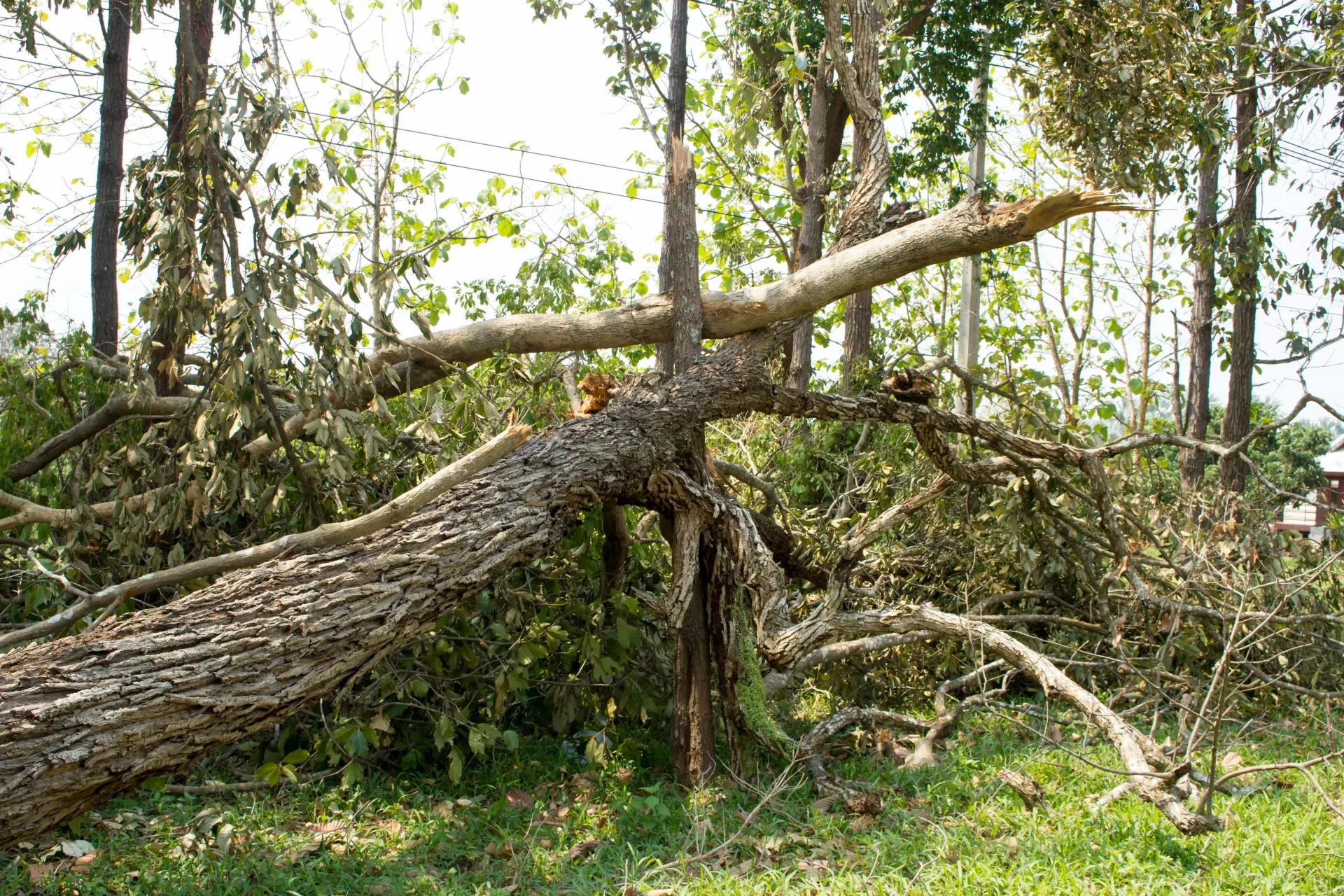
Walk around your property slowly and inspect the situation from a safe distance. Look for signs of storm damage such as a leaning tree, split branches, hanging limbs, cracked bark, exposed roots or soil lifting at the base.
These are all warning signs that the tree may pose a risk to people, buildings or vehicles. Never touch damaged trees that are close to power lines, and never go near branches that may be resting on cables. Contact the emergency services or your electricity provider straight away if power lines are involved, then wait for expert advice before any work begins.
Safety remains the most important part of any post storm assessment. Homeowners should keep children and pets well away from the area, especially where there is a fallen tree or large branches that could move without warning. Even in your own garden, storm damaged trees can be dangerous and should be treated with care.

How to Identify Damaged Trees That Need Attention
Not every tree will need to be removed after storms, but it is essential to find the ones that pose the greatest risk. A damaged tree may have a split trunk, broken branches, a heavy lean, or roots that have started to lift from the land. In some cases, the crown may have lost large branches, leaving the tree unbalanced and more likely to fall during the next period of bad weather.
Damaged trees should be assessed for both immediate safety issues and long term health concerns. A tree with broken branches may still survive if the damage is limited and the structure remains sound.
However, if the trunk is badly cracked, the tree is leaning further than before, or the soil around the base is rising, removal may be required. Storm damage can also lead to hidden decay over time, so a tree that remains standing today may still become unsafe later in the year.
It is also important to inspect nearby trees, not just the one that appears most damaged. The damage to trees can spread across the whole area, especially after severe weather.
Fallen branches from one tree may have hit another, and roots may have been disturbed over a wider section of ground than expected. A full assessment helps determine whether you are dealing with one damaged tree or a larger safety issue across your property.
Dealing With Fallen Trees, Branches and Blocked Access
A fallen tree can create an urgent situation, especially if it blocks access to your home, covers a driveway or has landed near roads or neighbouring property. In the aftermath of a storm, large branches may also be left hanging overhead or spread across paths and garden spaces. These hazards can lead to slips, trips and further damage if they are not handled properly.
If smaller fallen branches can be removed safely by hand, wear gloves, sturdy boots and protective clothing while clearing them. Even then, take care not to overreach or pull on branches that appear trapped under tension. Branches can spring back suddenly and cause injury. If the trunk has split or the branches are tangled, stop and seek professional tree help.
Where a fallen tree has caused property damage, take photographs before anything is moved. This will help with insurance claims and provide a record of the storm damage. If vehicles, sheds, fences or parts of the home have been affected, contact your insurer as soon as possible and explain the situation clearly. A professional assessment may also be needed to support the claim and confirm what removal work is required.
Why Power Lines and Structures Need Extra Care
One of the biggest risks after storms is tree damage involving power lines or buildings. A branch that appears to be resting lightly on a roof can still place serious pressure on tiles, guttering and walls. The same is true for branches touching garages, fences or nearby structures. Damage may not always be visible from the ground, so avoid guessing that the area is safe.
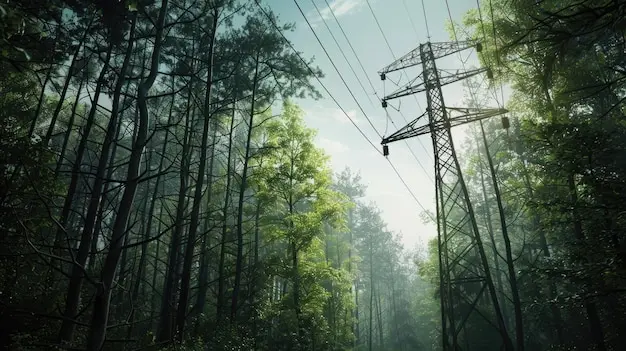
Power lines need even greater care. Never touch a tree, branch or any equipment that is close to an overhead line. The safest step is to contact the proper authority and keep everyone away until the site is declared safe. Emergency tree removal near power lines should only be carried out by insured professionals with the right equipment and training.
This is where a professional tree surgeon or emergency tree team becomes essential. A professional tree surgeon can assess the risks, inspect the tree damage properly and carry out removal in a controlled way. This helps ensure the job is done safely and prevents more harm to people or property.
When Tree Removal Is the Right Option
Tree removal is not always the only answer, but in some cases it is the safest and most practical option. A tree may need to be removed if the trunk is split, the roots are no longer secure, the tree is leaning heavily towards buildings, or the damage has made the structure unstable. Trees that have suffered major storm damage are more likely to fail in future storms, even if they remain standing for now.
A professional tree surgeon can determine whether complete tree removal is needed or whether other tree care work, such as crown reduction or selective branch removal, could make the tree safe. Crown reduction may help in cases where part of the canopy has been damaged but the main trunk and roots are still healthy. In other cases, removing a damaged tree entirely is the only way to prevent future risks.
This decision should be based on safety, the health of the tree and the location of the damage. A tree close to the home or near roads may need faster action than one on open land. The main aim is always to remove or reduce the risk before further storms or high winds create a more dangerous situation.
The Value of Professional Tree Removal Services
There are times when homeowners may be tempted to carry out tree removal work themselves. While clearing light debris from the garden may be manageable, more serious work should be left to trained tree surgeons. Storm damaged trees are unpredictable, and a dangerous tree can move, twist or fall with very little warning.
Professional tree removal services have the equipment needed to carry out emergency tree removal safely. This may include harnesses, rigging systems, chainsaws, lifting gear and vehicles for clearing large pieces of trunk and branches. An insured team can also assess the wider risks on site, including unstable soil, nearby buildings and hidden faults within the tree.
Choosing a professional tree surgeon also gives peace of mind that the work meets safety standards. Tree surgeons can inspect the tree properly, provide an assessment of the damage and explain which steps are needed next. In urgent cases, some firms offer 24 7 emergency tree services, which can be especially important when a fallen tree is blocking access or posing an immediate risk.
Proper Disposal and Clean-Up After Removal
Once the main tree removal work is complete, the clean-up still matters. Fallen branches, broken limbs, bark, leaves and sections of trunk can cover a large area after a storm. Leaving debris in place can create risks for people, attract pests and make the property harder to inspect for further damage.
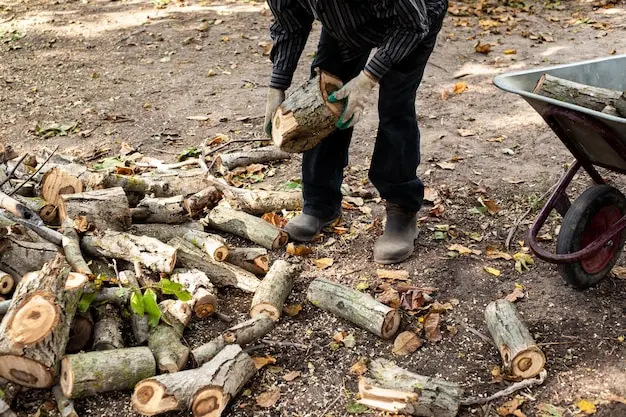
Smaller branches may be cut down into manageable pieces and removed through local green waste collection, depending on local rules. Larger trunks and heavy branches may need specialist equipment to remove safely. In some cases, wood can be chipped for mulch and used in the garden, but only if the material is clean and suitable for reuse.
It is also wise to inspect the area once debris has been cleared. Check fences, sheds, walls and paths for hidden storm damage that was not visible before. Look again at the soil around nearby trees, as roots may have shifted during the storm. A tidy site makes it easier to find any remaining problems and helps restore the property safely.
Insurance, Records and Next Steps
Storm damage can lead to both urgent tree work and unexpected costs, so keeping good records is important. Before any tree removal begins, take clear photographs of the damaged tree, fallen branches and any property damage. Make notes about the time of the storm, the parts of the home affected and any action already taken.
Insurance providers may ask for details of the damage, along with evidence that the tree posed a risk. A report from a professional tree surgeon can help support your claim, especially where emergency tree removal or repairs to buildings are involved. It is also useful to keep copies of invoices, written assessments and any email messages related to the job.
Acting quickly can help prevent the situation from getting worse, but do not rush into unsafe decisions. The key is to assess the damage properly, contact the right people, and ensure all work is carried out safely.
Preventing Problems in Future Storms
Although no one can stop severe weather, regular tree care can reduce the risk of damage in future storms. Healthy trees are often more likely to withstand high winds and heavy rain than neglected ones. Routine inspections can help find weak branches, signs of decay, poor growth or root problems before they become dangerous.
Homeowners should consider having mature trees inspected from time to time, especially those close to the home, roads or boundary lines. Professional tree surgeons can identify signs of weakness and recommend pruning, crown reduction or other care where needed. Removing dead wood and improving the structure of a tree can reduce the chance of large branches falling during storms.
The aftermath of a storm can be stressful, but taking sensible steps today can help protect your property in the long term. If you are unsure about a damaged tree, do not hesitate to get in touch with a qualified team. Professional tree care and emergency tree removal services can provide the support needed to deal with storm damaged trees safely and help reduce risks before future storms arrive.
Storm Damaged Trees: Getting the Right Help
When dealing with storm damaged trees, quick action matters, but safe action matters more. Whether you are facing broken branches, a leaning trunk, damaged roots or a fallen tree near your home, it is essential to assess the damage carefully and choose the right response. In many cases, a professional tree surgeon is the safest way to handle the work and ensure the risks are properly managed.
If you need expert help with tree removal, emergency tree services or advice on damaged trees after storms, contact us today to arrange a professional assessment. A trusted and insured team can inspect the damage, explain the safest next step and provide the right support for your property and surrounding areas.
If you're looking for a company that can effectively take care of your trees and remove them where necessary, give us a call. A&T Tree Services Ltd is always available to assist!