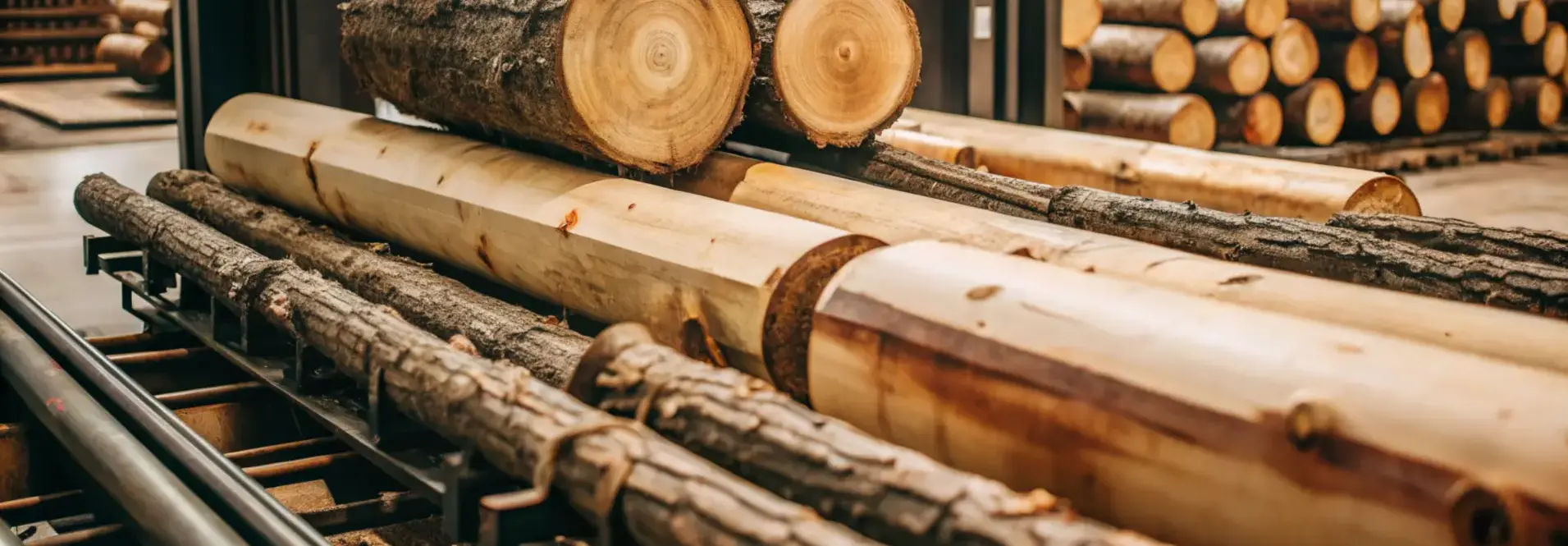
Tree removal is often needed when a tree has become unsafe, diseased, damaged by a storm, or is simply in the wrong place for a garden, driveway, house extension, or wider landscaping project. The cost of tree removal can vary a great deal because every tree, property, and job is different. Understanding the factors affecting the price can help homeowners, property managers, and land owners make informed decisions before agreeing to the work.
A&T Tree Services Ltd are trusted tree surgeons working across Birmingham and the surrounding areas.
Areas we cover include:
Birmingham - Coventry - Wolverhampton - Solihull - Dudley - West Bromwich
For a full list of areas we cover visit our main services page:
Tree removal costs are shaped by several factors, including tree size, tree health, access, location, equipment, labour time, waste disposal, and the risks involved. Many homeowners start by wondering why one tree removal quote is much higher than another. The answer is usually found in the complexity of the job, the condition of the tree, and the level of tree surgery required to remove it safely.
Tree surgeons must assess the tree, the surrounding area, the ground, and the presence of nearby structures before they decide on the safest methods. This helps ensure safety for workers, people nearby, and the property itself. Tree removal is a dangerous job when there are falling branches, unstable wood, decay, pest infestations, power lines, buildings, fences, driveways, or confined spaces close to the work area. This is why professional tree surgeons are important, as the job requires skill, care, experience, and the right equipment.
Location and Accessibility of the Tree
The location of the tree plays a major role in determining the cost of tree removal. Trees located close to a house, an old house, other structures, power lines, roads, fences, or nearby structures require careful planning. Trees situated in narrow spaces or confined spaces are often harder to remove because tree surgeons may have less room to climb, cut, and lower branches safely.
Accessibility can also affect the overall cost. Easy access usually means the work can be completed more quickly, with lower labour time and fewer obstacles. In contrast, difficult access can increase costs because the team may need to carry equipment by hand, use specialist methods, or spend longer preparing the site. Trees located on steep slopes, soft soil, or uneven ground can also add unique challenges, as workers must keep the area safe while dealing with heavy branches, the trunk, and wood.
In urban parts of the UK, tree surgeons often deal with limited space and nearby buildings. This can make tree felling more complex, especially when the tree cannot be felled in one piece. Instead, it may need to be cut in sections and lowered carefully. This type of tree surgery is more labour-intensive and can increase the final price.
Tree Condition and Tree Health
Tree condition is one of the important factors that influence tree removal costs. A healthy tree may be strong and stable, but it can still be difficult to remove if it is large, dense, or close to structures.
A dying tree, diseased tree, or tree with structural instability can pose a higher risk because branches may break without warning. Decay, pest infestations, and disease can make the tree unpredictable, which means tree surgeons need to take extra care.
Tree health is usually checked during an appointment or site visit. An arborist or experienced tree surgeon will assess whether the tree is healthy, diseased, unstable, or unsafe.
This helps them decide whether removal is required or whether pruning, crown thinning, tree trimming, or another tree surgery service may be enough. In some cases, a healthy tree may be protected and should not be removed without permission.
A tree plays an important role in a garden, as it can provide shade, protect soil, support wildlife, and improve the look of the home. For this reason, local tree surgeons may discuss preservation before removal. However, if the tree is unsafe, damaged, or likely to lead to accidents, removal may be the safest option.
Tree Size, Height, and Species
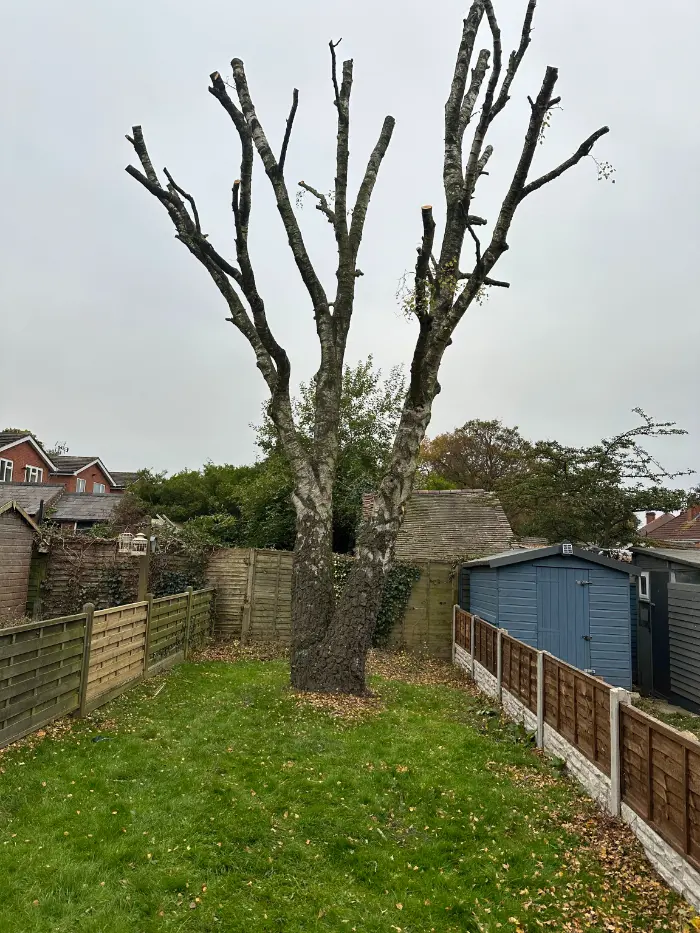
Tree size has a clear effect on tree removal costs. A small tree is usually easier, quicker, and cheaper to remove than a large tree. The size of the tree, its height, spread, trunk width, and number of branches all contribute to the overall price. Larger trees need more effort, more manpower, and more equipment, especially when they must be dismantled in sections.
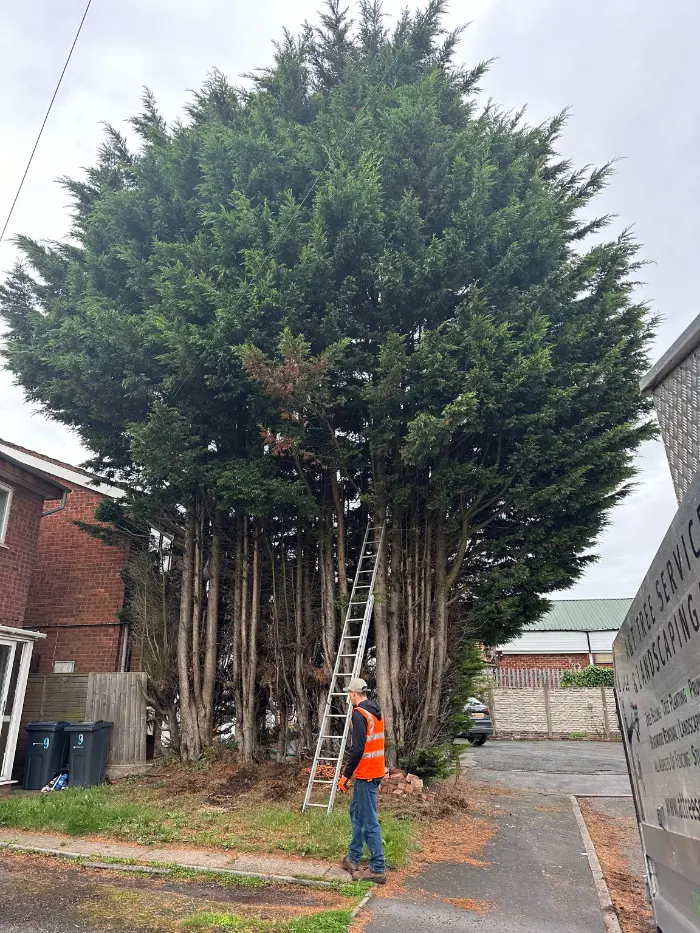
Larger trees such as oak may need more time and careful cutting because the wood can be heavy and hard to handle. Conifers can also create extra work due to their height, dense branches, and large amount of garden waste. The species of tree can affect how easy it is to cut, chip, haul, and dispose of the debris.
The cost of tree work also depends on whether the tree can be felled safely in one direction or whether it must be dismantled piece by piece. A tree that can be felled into open land will generally cost less than a tree overhanging a house, buildings, or power lines. When large sections need to be lowered by rope, the job takes longer and requires more planning.
Equipment and Expertise Required
The equipment needed for tree removal depends on the size, location, condition, and risk involved. Tree surgeons may use ropes, harnesses, a chainsaw, stump grinders, chippers, cranes, elevated work platforms, or other specialised equipment. Elevated work platforms may be needed when the tree is unsafe to climb, while cranes may be required for larger trees in tight spaces.
Professional tree surgeons know how to work safely and efficiently. Their qualifications, insurance, and expertise protect both the workers and the customer. Tree removal is dangerous work, so it is advisable to hire a professional tree surgery business that can provide proof of insurance and answer questions in detail.
Many tree surgeons also have training in tree preservation, pruning, crown thinning, and tree services beyond removal. This means they can assess whether removal is truly needed or whether another service required would be better. The best way to avoid costly mistakes is to compare quotes from tree surgeons who have the right experience for the type of job.
Stump Removal and Stump Grinding
Tree stump removal is an additional service that is not always included in the first quote. After a tree has been felled, the tree stump can be left in place, ground down, or removed completely. Stump grinding is often the most common choice because it removes the visible stump below ground level and leaves the area easier to reuse.
Stump grinding requires stump grinders and trained workers. The stump grinding cost depends on the stump size, roots, soil condition, access, and whether there are obstacles nearby. A large stump with deep roots can be more difficult and expensive to deal with than a smaller stump in open ground.
Some homeowners choose to leave the stump to save money, but this can lead to future problems. A stump can attract pests, create a trip hazard, get in the way of landscaping, and make mowing more difficult. If the garden needs to be ready for new planting, turf, or building work, adding stump grinding to the project may be worth checking at the quote stage.
Waste Disposal, Debris, and Garden Clearance
Waste disposal can add to the total cost of tree removal. Once a tree has been cut down, there may be branches, leaves, wood, sawdust, and garden waste to remove. Garden waste removal is useful when the customer wants the area left clear, but it can increase the final bill because of hauling, disposal fees, transport, and labour.
Some tree surgeons can chip smaller branches and remove the debris from site. Others may leave logs for firewood if the homeowner wants to keep the wood. This can help reduce costs because less waste needs to be transported and disposed of. However, the final price will depend on the amount of waste and whether disposal is included in the quote.
It is important to check what each quote includes. One tree removal company may include waste disposal, while another may charge extra. Understanding this before agreeing to the work can prevent surprise expenses later.
Legal Rules, Protected Trees, and Permission
In the UK, some trees are subject to legal protection. A tree preservation order can protect a tree because of its public value, age, type, or location. A protected tree may require permission from the local council before any removal, pruning, or tree surgery is carried out. Trees in a conservation area may also require permission before work starts.
This is a key consideration because removing a protected tree without approval can lead to serious problems. Local tree surgeons should understand the rules in your region and can help check whether permission is needed. It is true that not every tree needs approval, but it is always worth checking before the work begins.
If permission is required, the process can take a few days or longer, depending on the council and the detail needed. The website of the local authority may provide data, forms, and guidance. A professional arborist can also help provide an estimate, reports, or further insight if the council asks for evidence about tree health, disease, or safety concerns.
Seasonal Demand and Timing
Seasonal demand can affect tree removal costs. Peak seasons, such as spring and summer, may bring higher demand because gardens are in regular use and homeowners want work completed quickly. This can mean higher rates, limited appointment times, and a longer wait.
In contrast, off-peak months may offer a better chance to save money. Late autumn, winter, and early spring are often quieter for some tree surgeons, although weather can still affect the work. The cheapest time may depend on the region, access, safety, and the type of tree. For example, Mar and April may be busy if people are preparing gardens for the year ahead, while winter may be more flexible if the weather is safe.
Urgency also plays a part. If a storm has damaged a tree and it poses a risk to a house, people, power lines, or nearby structures, urgent tree services may cost more. Emergency work often requires workers to respond quickly, bring equipment at short notice, and handle hazards that are harder to predict.
Average Costs and Price Ranges
Average costs for tree removal in the UK vary because many factors affect the final price. A small tree with easy access may cost less, while larger trees in difficult access areas can be far more expensive. The average cost of tree removal also depends on the condition of the tree, whether stump grinding is included, and whether garden waste removal is required.
The cost of tree removal can range from a lower price for a simple job to a higher price for a complex removal with cranes, elevated work platforms, or several tree surgeons. The cost of tree work may also include VAT, disposal, travel, equipment, and time on site. Some companies charge by the hour, while others provide a fixed quote after they assess the property.
For a clearer breakdown, ask for a written quote that explains the services included. This should state whether the price covers removal, stump grinding, disposal, waste, and any additional services. The overall cost, overall price, and final bill should be clear before work begins.
Why Quotes Can Be Different
It is common to receive different prices from different tree surgeons. Many tree surgeons have different equipment, team sizes, insurance levels, experience, and methods. One quote may look cheaper because it does not include stump grinding, garden waste removal, disposal fees, or full clean-up. Another may be higher because it includes a complete tree surgery service and safer working methods.
Other factors can also influence tree removal costs, such as the distance to the property, the need for traffic control, the presence of obstacles, the number of trees, and whether branches are overhanging another garden or public land. The complexity of the job is often the reason prices vary so much.
When comparing quotes, do not simply choose the cheapest option. Check qualifications, insurance, reviews, and what is included. A lower cost can become more expensive if extra services are added later or if poor work causes damage. The aim is to find a fair price for safe, professional work.
Ways to Reduce Costs Safely
There are safe ways to reduce costs without increasing risk. Being flexible with the date can help if tree surgeons have more availability in off-peak months. Clearing access before the team arrives can also improve efficiency. Moving garden furniture, pots, bins, or other obstacles may make the job easier and quicker.
You may also save money by keeping usable wood as firewood or asking for branches to be chipped on site, if suitable. However, homeowners should avoid trying to remove large branches or trees themselves. Tree removal requires careful planning, especially when the tree is large, unstable, or located near structures.
The best way to reduce costs is to discuss the project in advance. Ask the tree surgeons what work is needed, what could be optional, and what would add expense. This can help you decide which services to include today and which can wait.
Safety, Risk, and Planning
Safety concerns are one of the most important factors in tree removal. A tree that is unstable, leaning, storm-damaged, diseased, or close to power lines can pose serious hazards. Falling branches, shifting weight, and hidden decay can lead to accidents, injury, or damage to property.
Careful planning helps prevent these problems. Before work starts, tree surgeons should assess the area, decide how to remove the tree, and plan where each section will fall or be lowered. In confined spaces, this planning is even more important because there is less room for error.
A safe approach may take longer, but it can protect the home, garden, workers, and nearby people. In many cases, the higher cost reflects the risk, equipment, and skill required to complete the job safely.
Determining Tree Removal Costs
Tree removal costs depend on many factors, including tree size, location, health, access, equipment, season, waste disposal, stump grinding, and whether permission is needed. Larger trees, difficult access, nearby structures, protected tree rules, and safety concerns can all increase costs, while easy access, flexible timing, and clear planning may help keep the price lower.
Before you hire tree surgeons, get more than one quote, ask what is included, and check insurance, qualifications, and experience. A clear estimate will help you anticipate the cost, understand the removal process, and avoid unexpected charges. With the right professional tree services, tree removal can be carried out safely, efficiently, and with less stress for the homeowner.
Are you looking for professional tree removal services? Tree Surgeons Birmingham offers expert solutions for safe and efficient tree removal in Birmingham and surrounding areas. We ensure every job is handled with care, using the latest equipment and techniques to meet your needs.