When is tree removal necessary? Learn how to spot danger signs like disease, storm damage, or risks to property, and find out when professional help is the best course of action to protect people, buildings, and the wider landscape.
A&T Tree Services Ltd are trusted tree surgeons working across Birmingham and the surrounding areas.
Areas we cover include:
Birmingham - Coventry - Wolverhampton - Solihull - Dudley - West Bromwich
For a full list of areas we cover visit our main services page:
Trees bring real beauty to a garden and the wider environment. They provide shade, improve air quality, support wildlife, and help create a more beautiful outdoor space. Healthy trees can thrive for many years with the right care, pruning, and enough water, sunlight, and nutrients from the soil.
However, there are situations where tree removal becomes the safest and most sensible action. Knowing the signs early can help people protect their home, garden, and nearby plants before the problem grows worse.
Signs a Tree Might Be Unsafe
One of the clearest reasons to remove a tree is safety. A tree could pose a serious risk if it starts to lean more than usual, especially if the lean appears suddenly.
Large cracks in the trunk, deep splits in the bark, or brittle branches that snap and fall are also warning signs. In many cases, these problems point to poor structural integrity, which means the tree may no longer be strong enough to stand safely.
Dead branches high in the crown are another concern. These branches can fall without warning during high winds or storms, putting people, vehicles, pets, and property at risk.
Even smaller branches can cause damage if they fall onto paths, sheds, fences, or garden furniture. If the trunk has hollow areas, decay, or soft spots near the base, the tree may already be badly weakened.
It is also important to check the roots. Roots that lift the ground, crack paving, interfere with drains, or damage foundations can show that the tree has become too large for the area. In some cases, damaged roots can also make the tree unstable. If a tree is no longer secure, removal may be required to ensure safety.
When a Tree Is Dead or Dying
A dead tree or one that is dead or dying often needs urgent attention. A tree is dead when it no longer shows signs of life, such as healthy leaves, fresh growth, or flexible branches.
A dying tree may still have some green leaves, but it can show clear signs of decline, including bare limbs, brittle twigs, peeling bark, or a trunk that has started to crack.
A dead or dying tree is dangerous because it can fall much more easily than a healthy tree. As the wood dries out, it becomes weak and brittle, and storms can quickly bring it down. This is why removing a tree in poor condition is often the best course of action, especially if it stands close to a home, garage, road, or footpath.
In some cases, part of the tree can be saved through pruning or careful tree surgery. In others, the tree's health has declined too far and tree removal may be the only safe option. A professional tree surgeon can check whether the tree can recover or whether it should be removed before it causes harm.
Disease, Decay, and Pest Problems
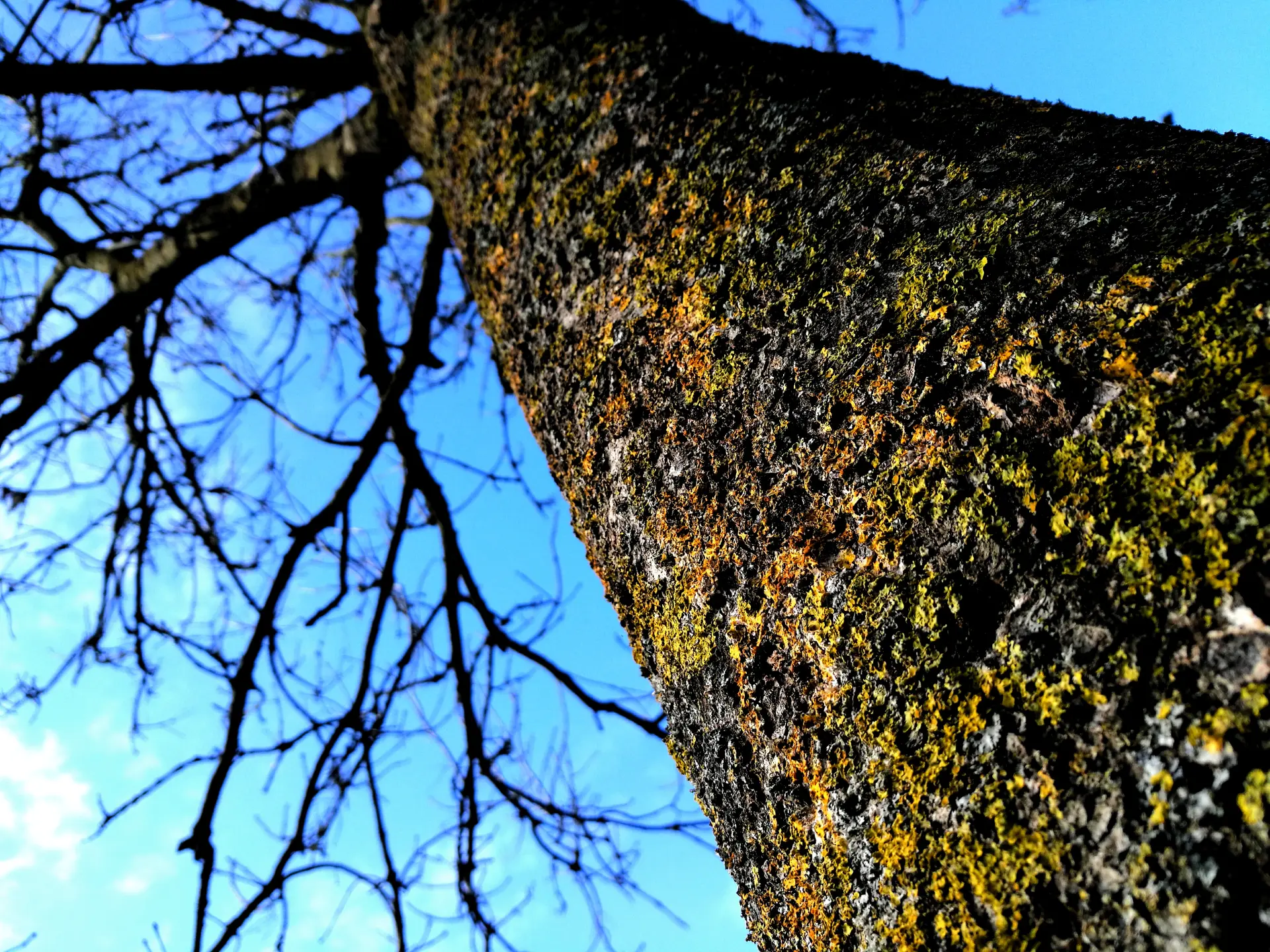
Disease is one of the main reasons tree removal may become necessary. A diseased tree may show fungal growth around the base, unusual spots on the leaves, dying branches, damaged bark, or areas of rot in the trunk.
Fungal growth is especially important to check because it can point to hidden decay inside the tree. By the time mushrooms or other fungi appear, the inside structure may already be weak.
Pests can also damage a tree over time. Insects that feed on bark, leaves, or wood can reduce the tree's health and make it harder for it to grow properly. If pests or diseases spread, they can affect nearby healthy trees, shrubs, and other plants in the garden. In these cases, removing a tree may help protect the rest of the landscape.
Not every diseased tree has to be removed. Early tree care can sometimes save a tree, especially when the issue is found in time. However, if the disease has spread through the trunk, roots, or main branches, or if the tree has become dangerous, tree removal is often the safest choice. Professional tree surgeons have the experience to identify diseases, assess the damage, and guide you on the right next step.
Storm Damage and Weather-Related Risks
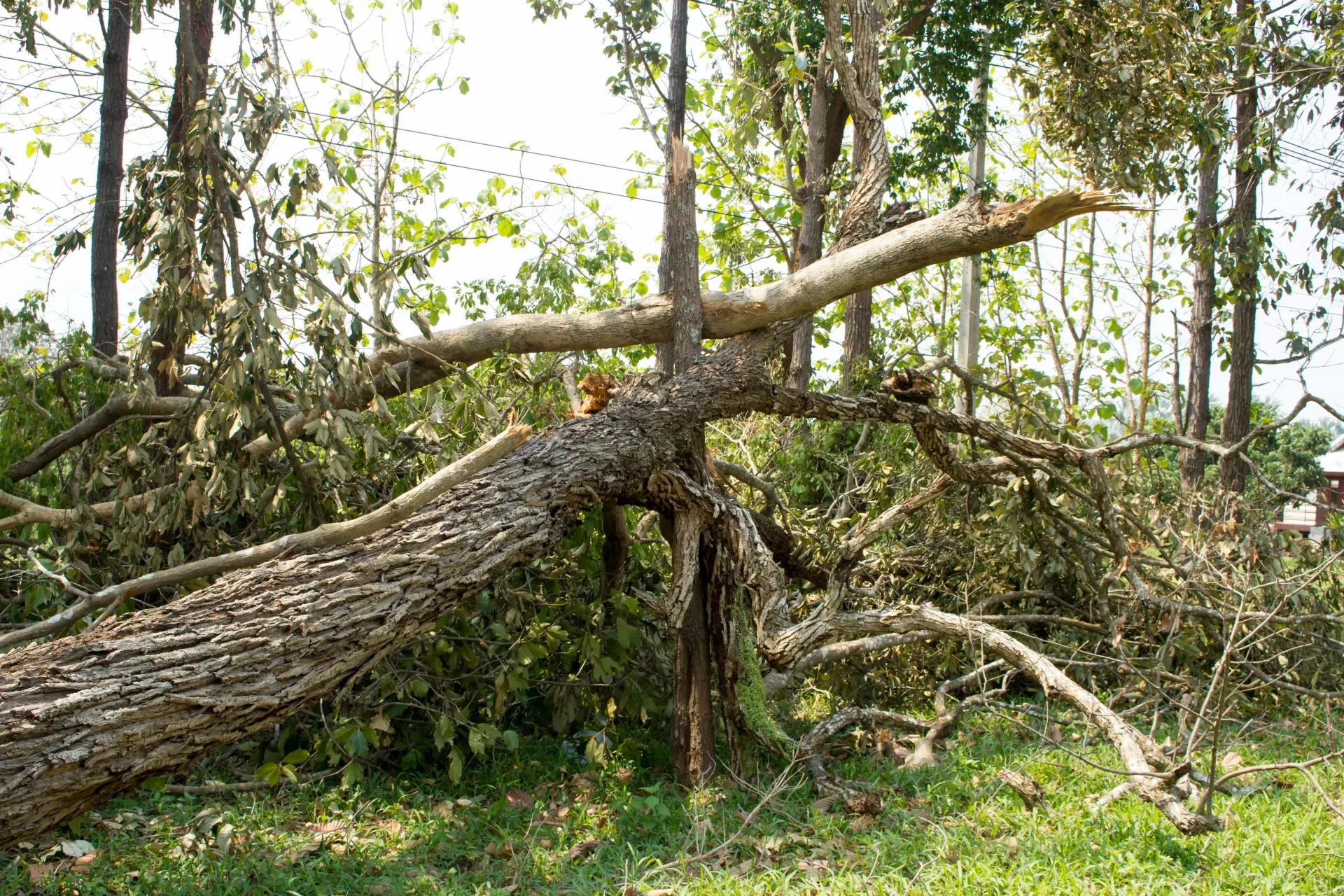
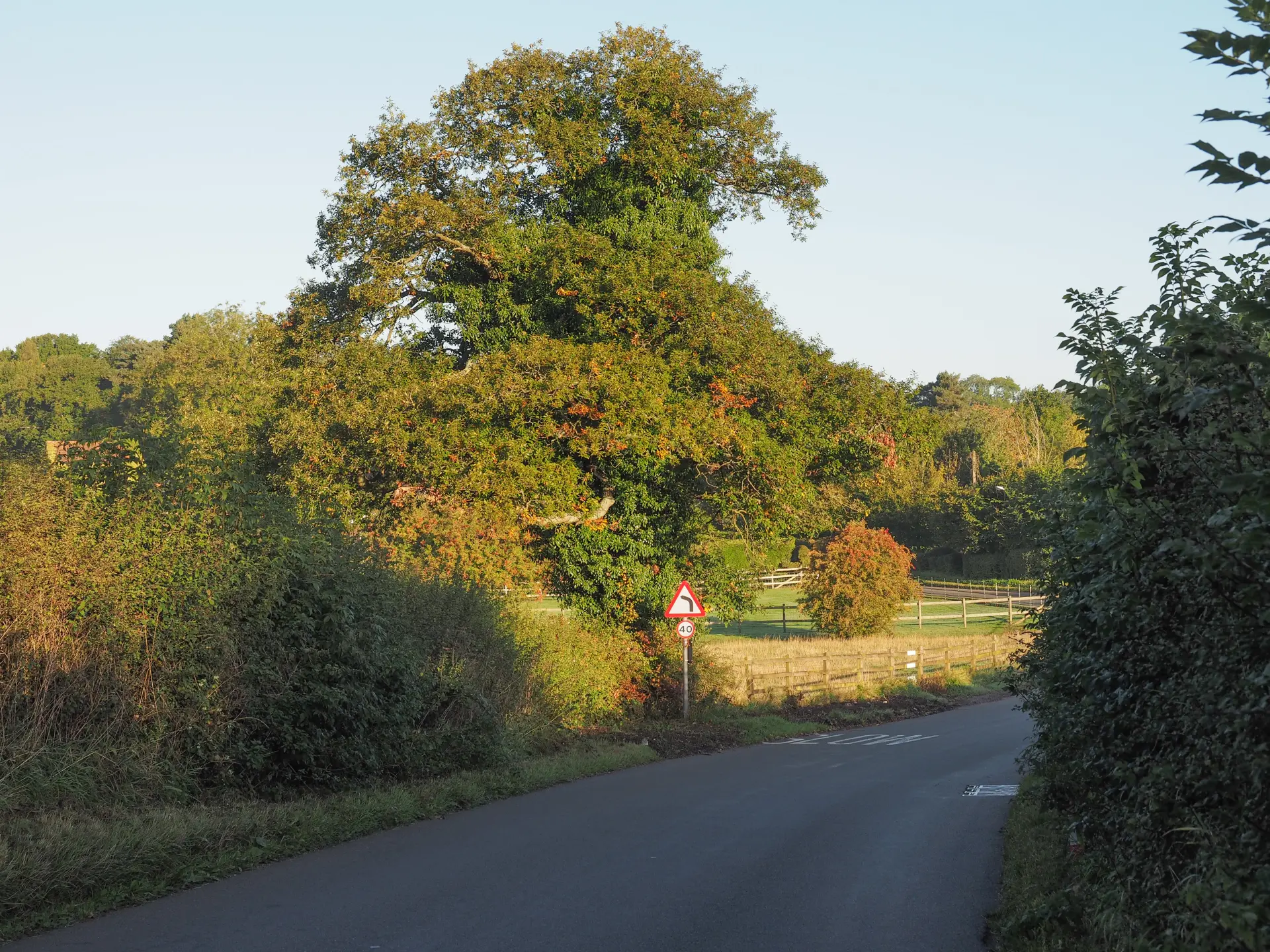
Storms can have a major impact on tree safety. High winds, heavy rain, and repeated storms can weaken roots, tear off branches, and leave the trunk cracked or split. A tree may look fine from a distance after bad weather, but hidden storm damage can still make it dangerous.
This is particularly true if the tree has already been under stress from disease, poor soil, too much moisture, or a lack of nutrients. A weakened tree may not cope well with another storm, even if it has stood for years before. Branches that hang over roofs, parked cars, or public paths should be checked as soon as possible after severe weather.
In some cases, pruning damaged branches is enough. In other cases, the tree could be too unstable to save. If there is any doubt, contact a professional tree surgeon or tree surgery team for advice. Quick action after storms can prevent further damage and reduce the risk to people and property.
Damage to Property, Foundations, and Structures
Some trees outgrow the space where they were planted. As roots spread, they can interfere with pipes, paving, driveways, walls, and foundations. Branches may scrape against windows, damage guttering, or reach across roofs. Over time, this can lead to costly repairs and long term problems for homeowners.
A tree may also block light from entering the home or garden, which can affect comfort and change how the space is used. While shade is often welcome, too much shade can make lawns thin, reduce growth in flower beds, and limit the amount of sunlight other plants receive. In some cases, removing a tree allows the rest of the garden to thrive more easily.
If a tree is causing cracks in nearby buildings, lifting paving stones, or putting pressure on walls and fences, it is important to act early. The longer the issue is left, the more difficult and expensive it may be to fix. A professional assessment can help confirm whether the tree is the cause and whether removal is required.
Trees Too Close to Power Lines, Roads, or Buildings
Trees near power lines need careful attention. Branches that grow too close can become a serious safety hazard, especially during wet weather or high winds. A tree could cause power cuts, fires, or injury if branches touch overhead wires. This is not a situation where people should try to cut branches themselves. Professional tree surgeons and approved services should deal with work near power lines.
Trees close to roads, drives, and paths can also become a problem. Low branches may block visibility for drivers, cyclists, or pedestrians. In some cases, roots can damage pavements and create trip hazards. If the tree begins to interfere with access, safety, or navigation around the area, removal may need to be considered.
Where buildings are close by, there is also the risk of falling limbs during storms or gradual contact damage from branches rubbing against roofs and walls. If the tree has become too large for the available space, removing a tree may be the safest and most practical option.
When a Tree Has Outgrown Its Space
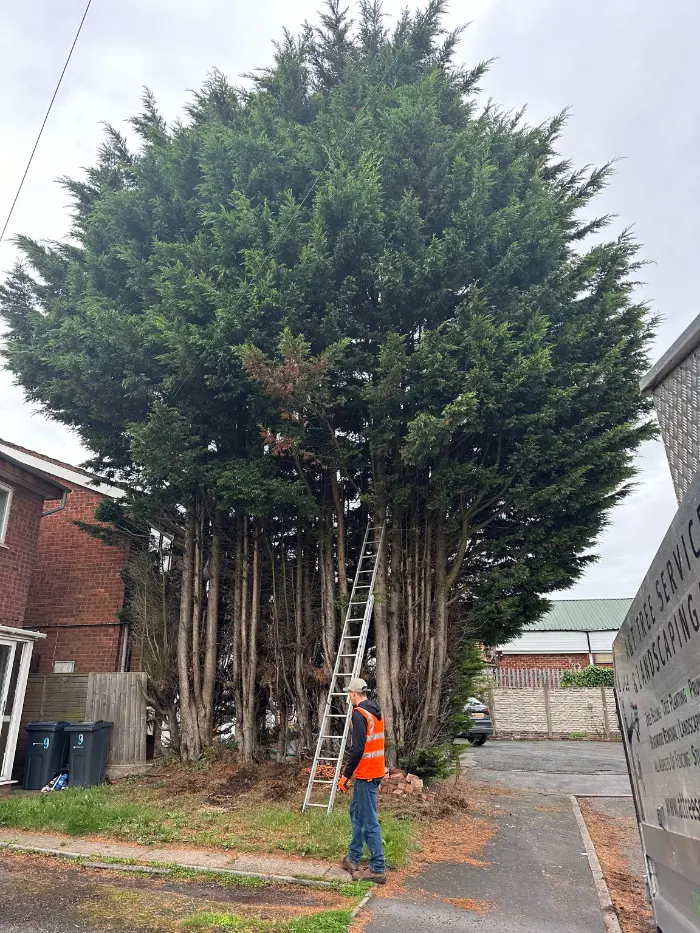
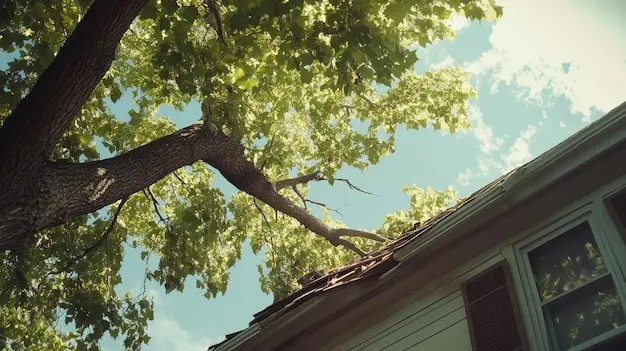
A tree may be healthy but still unsuitable for its current location. Some species grow much larger than people expect, and what starts as a beautiful feature can later become a difficult problem.
The trunk may become too wide for a small garden, or the roots may spread into places where they can cause damage. A large tree in a tight space can also compete with nearby plants for water, sunlight, and nutrients.
When this happens, regular pruning may only provide a short term answer. If the tree continues to grow and causes repeated issues, tree removal may be the better long term solution. This is especially true in small gardens where space is limited and the tree begins to dominate the whole landscape.
Removing a tree in these circumstances can sometimes improve the overall balance of the garden. It can create room for smaller healthy trees or other planting that is better suited to the area and easier to care for.
Building Work and Changes to the Landscape
Home improvements are another reason people consider tree removal. If you are planning an extension, a new driveway, a patio, or major landscaping work, an existing tree may be in the way. Roots can make building work more difficult, and they may later damage new surfaces or foundations if the tree is left in place.
Even where the tree is healthy, removing a tree may be necessary to make the project safe and practical. That said, tree removal should not be the first step without proper checks. Some trees are protected, and permission may be required before work can begin. A professional tree surgeon can guide you through the process and help you understand the legal position.
Good planning matters. The best outcome is usually achieved when tree care, design, and building work are considered together, so the garden remains attractive, useful, and safe after the changes are complete.
Can the Tree Be Saved Instead?
Not every problem means you must remove the tree. In some cases, pruning, tree surgery, pest treatment, or better soil care can improve the tree's health and restore its structure. For example, dead branches can be removed, weak growth can be reduced, and compacted soil can sometimes be improved so roots can take in more water and nutrients.
The key point is to find out whether the problem is temporary or whether the tree has reached a stage where it cannot recover. Healthy trees are worth protecting when possible because they support wildlife, improve the landscape, and add beauty to the garden. The aim should always be to save the tree where it is safe and realistic to do so.
A professional tree care team can check the trunk, bark, roots, leaves, and overall growth pattern to see whether recovery is likely. This kind of advice is essential because the danger is not always obvious to someone without experience.
Why Professional Help Matters
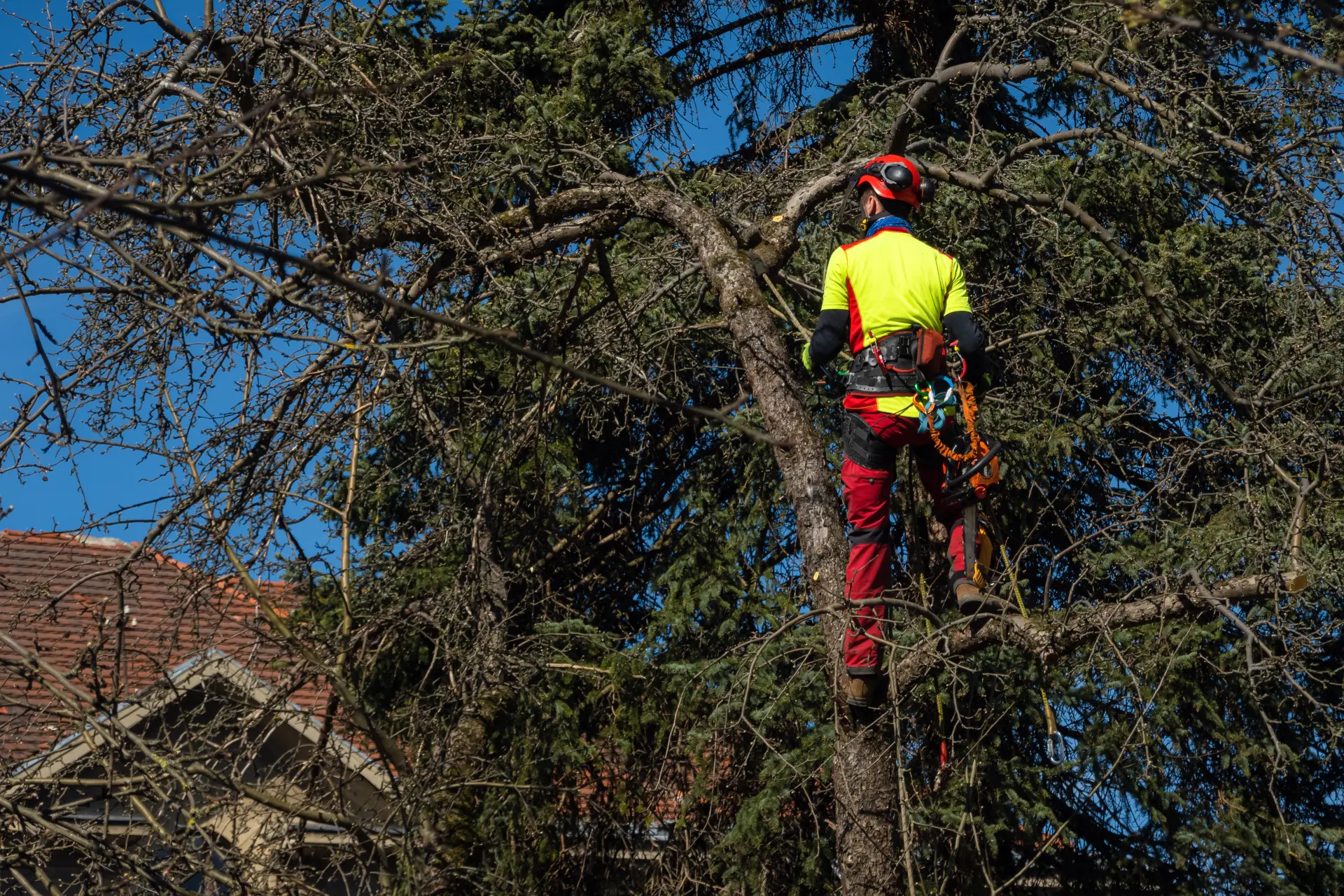
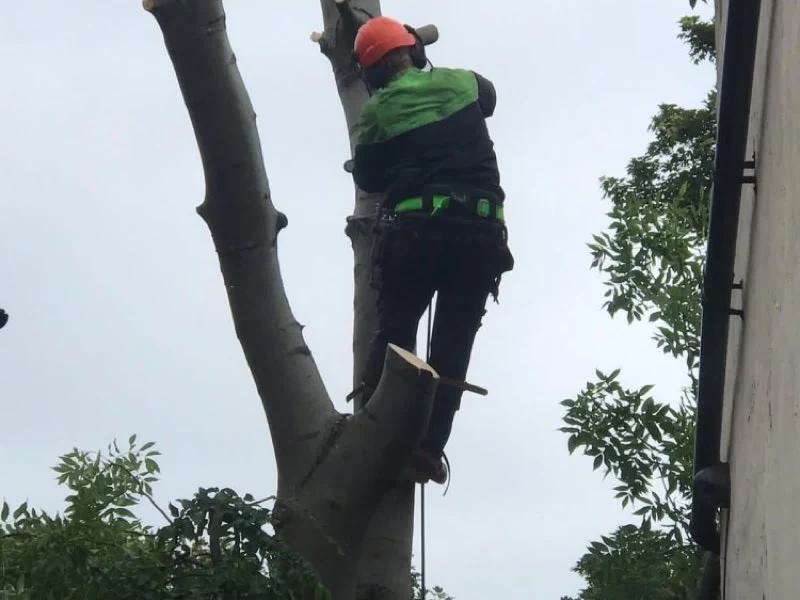
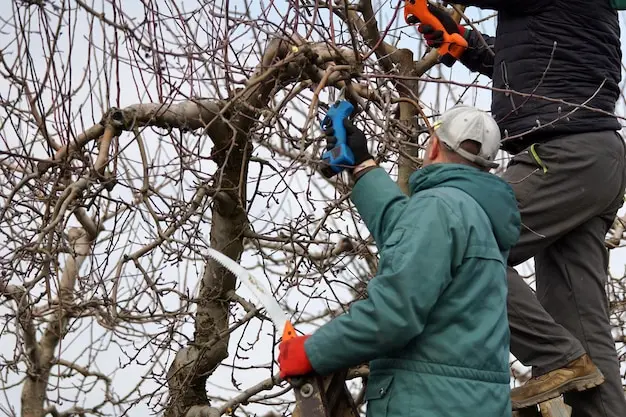
Tree felling and removing a tree are dangerous jobs, especially when the tree is large, damaged, or close to buildings and power lines. It is not simply a case of making a cut and hoping for the best. A professional tree surgeon understands how the tree is balanced, where the risk points are, and what equipment is needed to carry out the work safely.
Professional tree services can also assess whether full tree removal is needed or whether pruning will be enough. They know how to look for signs of disease, cracks, decay, fungal growth, pest damage, and poor structural integrity. Their guide and advice can help you make the right choice for your property and the wider environment.
In difficult cases, expert support can prevent injury, protect nearby structures, and reduce the impact on surrounding plants. It also helps ensure that the work is carried out properly and that any legal requirements are followed.
When Tree Removal Is Necessary
Tree removal is sometimes necessary to protect people, property, and the health of the wider garden. Signs such as dead or dying branches, disease, fungal growth, cracks in the trunk, storm damage, lifting roots, and damage to buildings should never be ignored. A tree may look beautiful on the outside, but hidden decay or weakness can still make it dangerous.
The best course of action is to check the warning signs early and get professional advice before the risk grows. In some cases, careful tree care can save the tree. In others, removing a tree is the safest way to protect your home, garden, and nearby healthy trees for the long term.
For expert advice on tree removal, tree surgery, or general tree care, contact a professional team. They can assess your tree, explain the options clearly, and ensure any work is carried out safely and responsibly.
If you're looking for reliable tree removal in Birmingham, Wolverhampton, or Dudley, A&T Tree Services Ltd is here to help. From expert pruning and tree health checks to safe removals and emergency call-outs, our experienced team is ready to take care of all your tree care needs.